How to Plan a 4th of July Boat or Lake Party (And Actually Get RSVPs This Time)
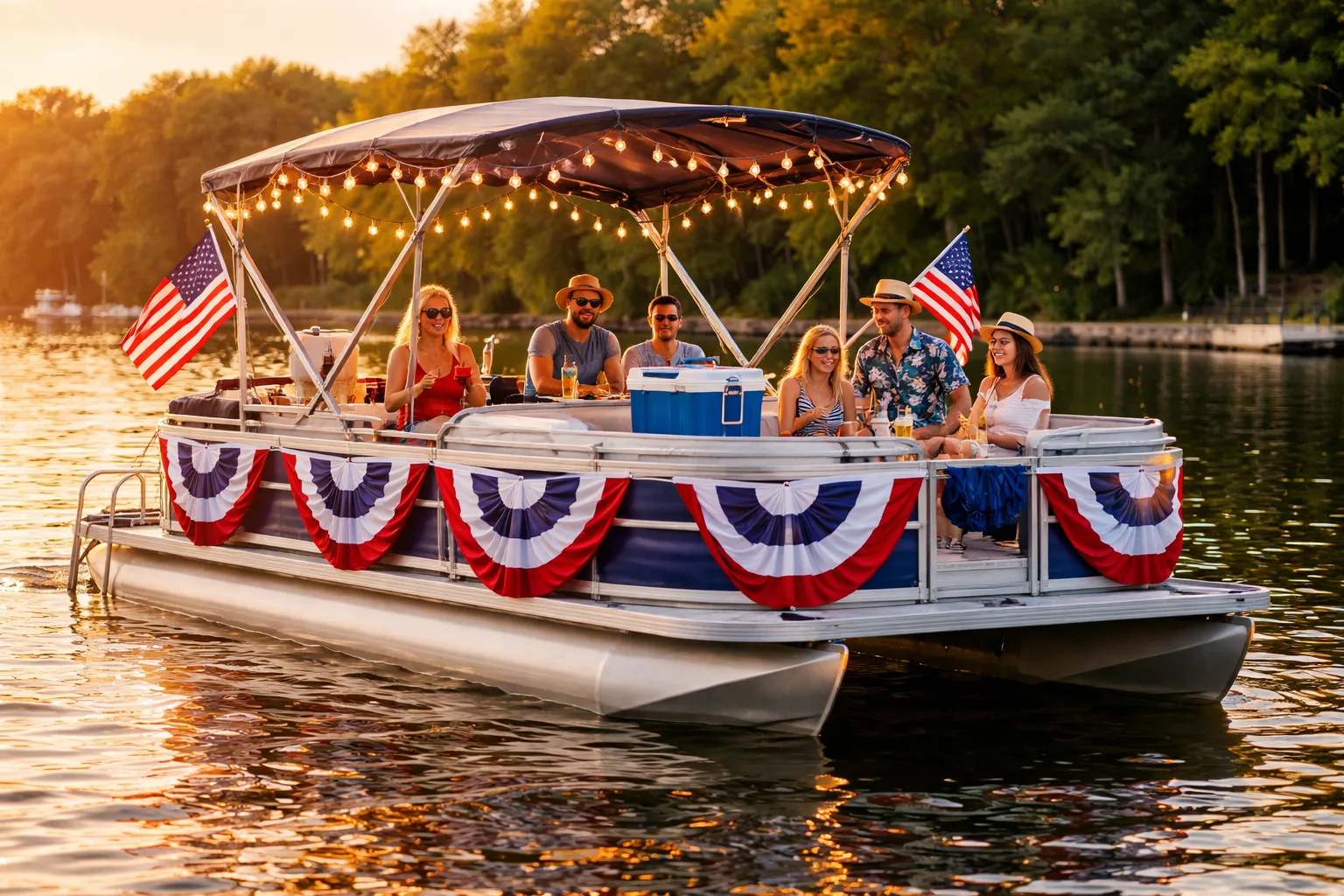
The Group Chat Nightmare Nobody Talks About
You send the message at 9am: 'Hey everyone! 4th of July on the lake — who's in?' By noon, you have 14 thumbs-up reactions, 3 'sounds fun!' replies, and exactly zero confirmed headcounts. Fast forward to July 3rd. You still don't know if you're feeding 12 people or 40. You've over-bought hot dogs, under-bought life jackets, and your cousin is 'pretty sure' he can bring his boat — but hasn't committed. Sound familiar? Planning a 4th of July boat or lake party is one of summer's greatest joys — and one of its most chaotic logistical nightmares. But it doesn't have to be.
This guide walks you through everything: from locking in your venue and headcount to sending digital invitations that people actually respond to, so you can spend July 4th watching fireworks from the water instead of refreshing your texts.
Step 1: Nail Down Your Venue and Capacity First
Before you invite a single person, get crystal clear on your constraints. This is the step most hosts skip — and it's why everything unravels later.
- If you're on a private boat: Check your vessel's Coast Guard capacity rating. It's not just a suggestion — it's a safety and legal limit. A 24-foot pontoon typically holds 10–12 people comfortably. Write that number down. It becomes your RSVP cap.
- If you're at a lake house or waterfront property: Think about parking, dock space, and restroom access. A beautiful backyard that fits 60 people for a cookout might feel dangerously crowded when half those guests want to be on the dock at sunset.
- If you're renting a boat or reserving a slip: Confirm your rental dates and capacity in writing before sending invitations. Nothing is worse than inviting 30 people to a boat that seats 20 because you 'thought' the upgrade was available.
Once you know your real capacity, subtract a 10–15% buffer for comfort, safety, and the reality that some people will bring an uninvited plus-one. That number is your RSVP limit.
Step 2: Set Your Timeline — Earlier Than You Think
The 4th of July is one of the most competed-for dates on the American social calendar. People make plans in May. If you're sending invitations in late June, you're already fighting for attendance.
Here's a realistic planning timeline:
- 6–8 weeks out (mid-May): Lock in venue, boat rental, or lake house reservation. Confirm any permits needed for fireworks or amplified music near the water.
- 4–5 weeks out (early June): Send your digital invitations. Yes, this early. For a major holiday, guests need time to plan travel, arrange childcare, and buy gear.
- 2 weeks out: Send a friendly reminder to anyone who hasn't RSVPed. A single automated nudge does wonders.
- 1 week out: Close RSVPs. Finalize your food, drink, and safety equipment orders based on confirmed numbers.
- 2–3 days out: Send a 'What to Know Before You Go' message to confirmed guests: parking instructions, what to bring, arrival time, and any safety rules.
This timeline sounds formal, but it's the difference between a smooth party and a chaotic one.
Step 3: Send Digital Invitations That Actually Get Responses
Here's the hard truth: a group text or Facebook event is not an invitation — it's a suggestion. People scroll past suggestions. A proper digital invitation, sent through a platform like RSVPlinks, creates a moment that demands a response.
When you send a dedicated invitation link, a few powerful things happen:
- Guests see a visually designed invite — not a wall of text in a chat thread
- There's a clear, one-click RSVP button that takes 10 seconds to use
- You get real-time tracking of who's confirmed, who's declined, and who's still ghosting you
- Automated reminders go out to non-responders without you having to awkwardly follow up individually
For a 4th of July lake party specifically, your invitation should include:
- Date, time, and exact location (with a map link — 'the lake' is not an address)
- What to bring: sunscreen, towels, water shoes, a dish to share, or a specific item from a list
- What's provided: food, drinks, life jackets, tubes — so guests aren't doubling up
- RSVP deadline: Be explicit. 'Please RSVP by June 28th so we can plan food and space.' People respond to deadlines.
- Capacity note: If spots are limited, say so. 'We have space for 20 guests on the boat — first to RSVP, first on board.' Scarcity drives action.
A quick real-world example: Sarah, hosting a pontoon party for the first time, used RSVPlinks to send invitations to 35 friends. She set a cap of 18, included a 'what to bring' list, and added a June 25th RSVP deadline. Her boat filled up in 4 days. She had a waitlist. She knew exactly how much food to buy. Zero chaos.
Step 4: Plan Your Food, Drinks, and Safety Gear by Headcount
Once RSVPs are confirmed, planning becomes math — not guesswork. Here's how to think about it:
Food on the Water
Boat and lake parties have unique food constraints. You're likely working with a cooler, a small grill, or a portable setup. Keep it simple and crowd-pleasing:
- Burgers, hot dogs, and brats are classics for good reason — easy to prep, easy to serve
- Build a 'boat snack board': chips, dips, fruit, cheese, crackers — things that don't require plates or utensils
- Pre-portion everything before you leave the dock. Trying to slice a watermelon on a moving pontoon is an experience you only need once.
- Plan for 1.5x your headcount in drinks. Heat, sun, and activity mean people drink more than they expect.
Safety First — Non-Negotiable
A 4th of July lake party is a high-stakes environment: alcohol, sun, water, and fireworks. Before you finalize your guest list, confirm you have:
- A Coast Guard-approved life jacket for every person on board
- A throwable flotation device
- A working fire extinguisher on any motorized vessel
- A designated sober spotter — someone who stays alert and watches the water, especially if children are present
- A first aid kit and knowledge of the nearest emergency boat launch or hospital
Include any relevant safety rules in your pre-party communication to guests. It's not a buzzkill — it's what responsible hosts do.
Step 5: Create the Atmosphere That Makes It Memorable
The logistics keep people safe. The atmosphere makes them talk about your party for years. A few high-impact, low-effort touches for a 4th of July lake party:
- Patriotic playlist: Build a 4-hour Spotify playlist in advance. Mix classic Americana, summer hits, and crowd favorites. Don't leave this to the moment.
- Lighting for after dark: String lights on the dock or boat canopy transform the vibe when the sun goes down. Solar-powered LED string lights are cheap and waterproof.
- Fireworks viewing plan: Know where the local fireworks display will be visible from your location. Position your boat or dock chairs facing that direction before guests arrive. This is the moment everyone came for — don't leave it to chance.
- Themed details that don't require effort: Red, white, and blue cups and napkins. A small flag centerpiece. A cooler labeled 'Freedom Fuel.' Simple things that signal intention.
Step 6: Follow Up After the Party
The best hosts close the loop. Send a quick thank-you message to your guests within 24–48 hours — a group message with a few photos, a 'thanks for making it special,' and maybe a teaser for next year. This isn't just good manners. It builds the kind of community that shows up reliably year after year, RSVPs promptly, and makes your future parties easier to fill.
Three Things You Can Do Today
You don't need to have everything figured out to start. Here are three concrete next steps:
- Confirm your venue and capacity today. Call the marina, check your boat rating, or text the lake house owner. One phone call eliminates the biggest unknown.
- Create your digital invitation now. Head to RSVPlinks, pick a 4th of July template, and build your invite — even if you're not ready to send it yet. Having it ready means you'll actually send it on time.
- Set your RSVP deadline in the invite. Pick a date at least one week before the party and write it into the invitation. This single step will get you more responses than anything else you do.
The lake is waiting. The fireworks are coming. All you need is a plan — and a guest list that actually shows up.