How to Plan a 4th of July Family Reunion Cookout (And Actually Know Who's Coming)
The Headcount Nightmare Nobody Talks About
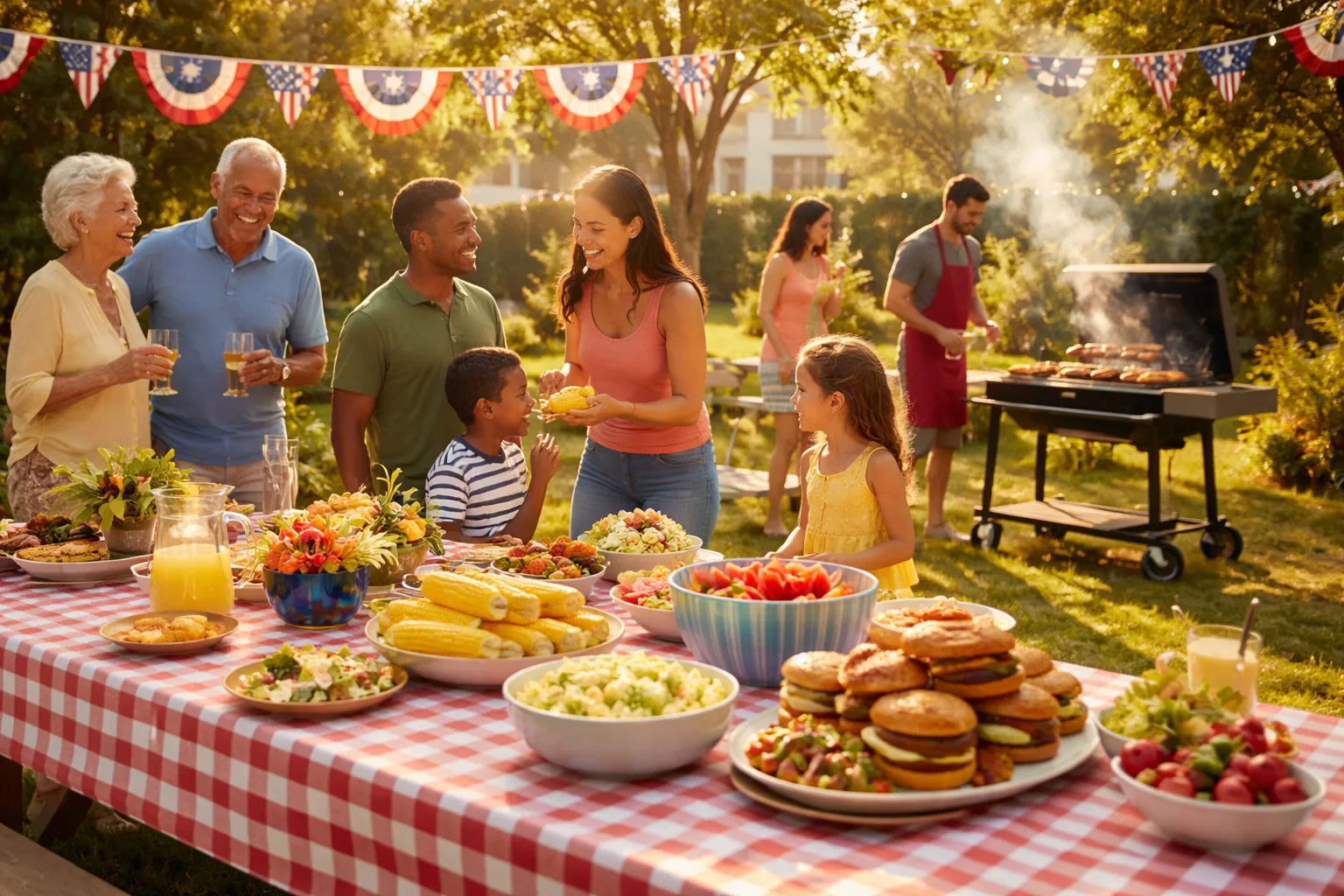
It's July 3rd. You've got 10 pounds of brisket marinating in the fridge, a cooler full of drinks, and a backyard strung with red, white, and blue lights. Your phone buzzes. It's Aunt Carol: 'Hey, I'm bringing my neighbor Linda and her three kids — hope that's okay!' You stare at the message. You have no idea how many people are actually coming tomorrow. Your cousin said 'probably yes.' Your uncle said 'we'll try.' Your brother-in-law never responded at all.
Sound familiar? Planning a 4th of July family reunion cookout is one of those events that feels casual enough that people treat RSVPs as optional — but big enough that a surprise crowd of 45 when you planned for 20 can turn a celebration into a logistical disaster. Running out of food, not having enough seating, or scrambling for parking on a holiday weekend isn't just stressful — it can sour the whole day.
This guide is going to help you plan a 4th of July cookout that's actually organized, genuinely fun, and — most importantly — one where you know exactly who is walking through that gate.
Step 1: Set a Real Guest List Before You Do Anything Else
Before you think about food, decorations, or fireworks viewing spots, sit down and build your actual guest list. Not a mental estimate. A real list with names.
Divide it into tiers: immediate family who will definitely come, extended family who usually show up, and the 'maybe' crowd — friends, neighbors, coworkers. Knowing these tiers helps you set a realistic headcount range (say, 25–40 people) so you can plan food and space accordingly.
Pro tip: For family reunions especially, use a shared document or notes app to build the list collaboratively with a sibling or cousin. You'll catch people you'd otherwise forget — like Great-Uncle Hank who moved to Phoenix but might fly in.
Step 2: Send a Proper Invitation — Not Just a Group Text
Here's where most family cookouts fall apart. Someone fires off a group text that says 'BBQ at our place July 4th, come through!' and then spends the next week trying to decode who replied with a thumbs-up emoji versus who actually plans to attend.
A real invitation does three things: it communicates the essential details (date, time, location, what to bring), it sets a clear RSVP deadline, and it makes responding easy. When you make it easy to say yes or no, people actually do it.
Using a platform like RSVPlinks lets you create a clean, shareable event invitation with a dedicated RSVP link. You send one link — via text, email, or even Facebook Messenger — and guests click to confirm attendance, add their names, and even indicate how many people they're bringing. No more decoding emoji reactions or chasing down your cousin's husband for a straight answer.
Real scenario: The Martinez family sent an RSVPlinks invite to 60 relatives for their annual 4th of July cookout. By June 28th — a full week before the event — they had 43 confirmed guests, 8 regrets, and 9 non-responses. They followed up only with those 9, confirmed 6 more, and went into July 4th knowing they'd have roughly 49 people. They bought the right amount of food. Zero panic.
Step 3: Set an RSVP Deadline That Actually Works
Your RSVP deadline should be 5–7 days before the event, not the day before. Here's why: you need time to shop, prep, and make logistical decisions based on headcount. If your cookout is July 4th, your deadline should be June 27th or 28th.
State the deadline clearly in your invitation: 'Please RSVP by June 27th so we can make sure everyone has a plate!' That framing — connecting the deadline to the guest's benefit — gets better response rates than a generic 'RSVP required.'
After the deadline, do one round of follow-ups with non-responders. A quick personal text ('Hey! Just checking — are you and the kids making it to the cookout?') converts a lot of maybes into definite answers. Don't broadcast a second group message — individual follow-ups feel personal and get real responses.
Step 4: Plan Food and Drinks by Confirmed Headcount (With a Smart Buffer)
Once you have your confirmed count, use this simple formula for a cookout: 1.5 servings of protein per adult, 1 serving per child. For a cookout of 50 people (35 adults, 15 kids), that's roughly 52–55 servings of burgers, hot dogs, or brisket.
Add a 10–15% buffer for last-minute additions (because there will always be last-minute additions). Stock up on crowd-pleasing, easy-to-scale sides: coleslaw, potato salad, corn, and watermelon. These are cheap, beloved, and easy to make more of.
For drinks, plan on 2–3 drinks per person for a 4-hour event in July heat. That's a lot of ice. Buy more ice than you think you need — it's cheap and you'll use it.
Don't forget dietary needs. When you send your invitation, include a simple field asking about dietary restrictions. Even a basic 'Any dietary needs we should know about?' catches vegetarians, gluten-free guests, and serious allergies before they show up to a table of pulled pork with nothing to eat.
Step 5: Organize the Space for the Crowd You're Expecting
Knowing your headcount lets you set up your space intelligently. For 50 people, you'll need roughly 10–12 tables or enough seating for at least 70% of guests at once (people rotate, kids run around, some people stand and mingle).
Plan distinct zones: a food and drink station, a seating area, a kids' activity zone (lawn games, sprinklers, bubbles), and a clear path to bathrooms. If you're expecting a large crowd, rent or borrow folding tables and chairs in advance — not the morning of.
For parking, give guests a heads-up in your invitation about where to park, especially in neighborhoods with holiday traffic. A simple note like 'Street parking on Oak Ave, or the church lot on 5th is open on holidays' saves a dozen frantic texts on the day.
Step 6: Build a Simple Day-Of Timeline
A 4th of July cookout doesn't need a minute-by-minute schedule, but a loose timeline keeps you from scrambling:
- Morning: Set up tables, chairs, decorations. Prep cold sides and get them in the fridge.
- 1–2 hours before guests arrive: Start the grill, set out drinks and ice, arrange the food station.
- First hour of the party: Light appetizers out (chips, dips, veggie tray) so early arrivals have something to snack on while the grill heats up.
- Peak serving time: Main food goes out 60–90 minutes after the event starts — not immediately, so you're not scrambling the moment people walk in.
- Evening: Plan for where guests will watch fireworks — whether that's your backyard, a nearby park, or a rooftop. Share the plan in advance so no one wanders off confused.
Step 7: Send a Day-Before Reminder
A quick reminder the day before does two things: it confirms details for guests and shakes loose any last-minute cancellations or additions you didn't know about. Keep it short and warm: 'Can't wait to see everyone tomorrow! Gates open at 3pm, food hits the grill around 4:30. See you then!'
If you used RSVPlinks, you can send this reminder directly through the platform to all confirmed guests — no copy-pasting into a group text.
The 3 Things That Make or Break a 4th of July Cookout
After all the planning, it really comes down to three fundamentals:
- Know your headcount. Everything — food, seating, ice, parking — flows from this number. Don't guess. Use a real RSVP system and follow up with non-responders before your shopping deadline.
- Make it easy for people to respond. A shareable RSVP link beats a group text every single time. When responding takes 10 seconds, people actually do it.
- Build in a buffer — for food and for chaos. Someone will bring an extra person. Someone will arrive two hours late. Someone will forget to mention they're vegetarian. Plan for it and you won't be rattled by it.
Your 4th of July cookout should be the highlight of your family's summer — not a stress spiral of unanswered texts and last-minute grocery runs. Start with a real guest list, send a real invitation with a real RSVP link, and give yourself the gift of knowing exactly who's coming. The brisket will taste better when you're not panicking about whether you made enough.