How to Plan a 4th of July Neighborhood Parade Party Kids and Adults Will Love
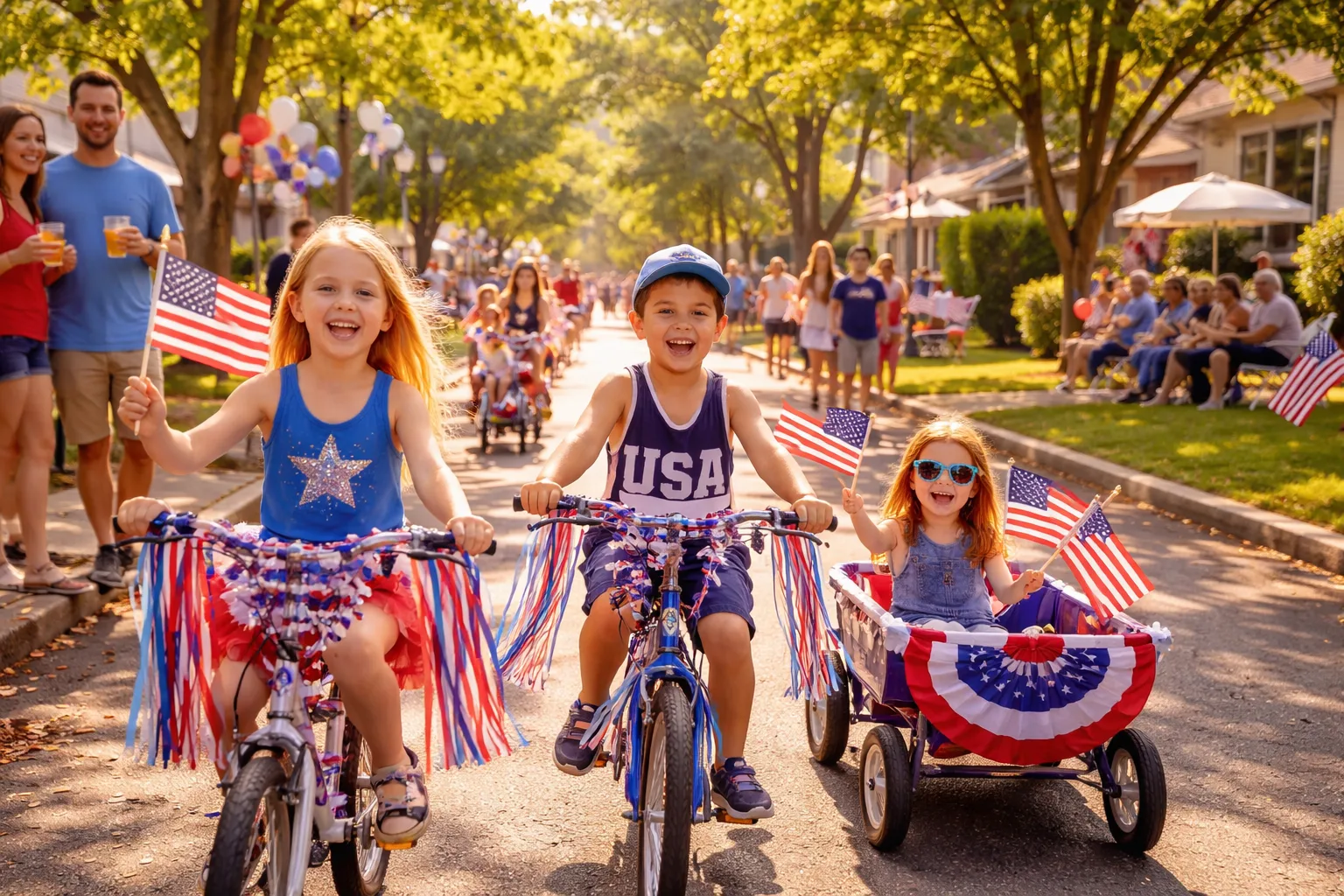
When the Holiday Feels Like a Lot of Work for One Family to Handle
Picture this: It's July 3rd. You've promised the neighborhood a parade. You've got a garage full of red, white, and blue streamers, a cooler that needs filling, and absolutely no idea who's actually showing up tomorrow. Your group chat has 47 unread messages, half of which are people asking 'Wait, what time does it start again?' and the other half are photos of someone's dog in a patriotic bandana. You love your neighbors. You love this holiday. But right now, you're wondering why you volunteered to organize this thing.
Sound familiar? Planning a 4th of July neighborhood parade party is one of those ideas that sounds effortless in May and turns into a full-time job by late June. The good news: with the right structure, it doesn't have to be chaotic. This guide walks you through exactly how to pull off a neighborhood parade party that kids will be talking about until school starts — and adults will actually want to attend instead of just survive.
Step 1: Lock Down the Route and Logistics First
Before you send a single invitation, figure out the bones of the event. A neighborhood parade needs a clear start point, a route, and an end point — ideally somewhere with shade, seating, and food. Walk the route yourself and look for potential problems: busy cross-streets, driveways that might block the path, or stretches without sidewalks.
Practical tip: Choose a loop route that starts and ends at the same location — like a cul-de-sac or a neighbor's driveway — so families with strollers or wagons don't have to backtrack. A half-mile loop is plenty for young kids and still feels festive for adults.
Check your city or HOA rules. Some neighborhoods require a simple permit or a heads-up to local police for a street parade, even an informal one. A quick 5-minute call to your non-emergency police line can save you a headache on the day.
Step 2: Send Real Invitations — Not Just a Group Chat Message
Here's where most neighborhood events fall apart: the 'invitation' is a casual message buried in a group text that half the street never sees. If you want people to actually show up — and to know what to bring, wear, and expect — send a proper invitation.
Using an online RSVP platform like RSVPlinks makes this dramatically easier. You can create a clean event page with all the details (time, route map, what to bring, dress code), send it via link to every household, and actually track who's coming. No more 'I thought someone else was bringing the lemonade' moments. When neighbors RSVP, you get a real headcount — which means you know how much food to prep, how many parade kits to assemble, and whether you need more chairs at the finish-line party.
What to include in your invitation:
- Date, start time, and parade kickoff time (these can be different — give people 20 minutes to gather before the parade begins)
- Start location and the general route
- Dress code: red, white, and blue encouraged
- What to bring: decorated bikes, wagons, pets in costume, lawn chairs for the finish-line cookout
- Who to contact with questions
- RSVP deadline (give yourself at least 5 days before the event)
Step 3: Build a Parade Kit Station That Kids Will Go Crazy For
The secret to a parade that feels magical instead of just 'a walk around the block' is the decoration station. Set up a table at the start point with supplies for last-minute decorating. This doubles as an activity while you wait for everyone to arrive and gets kids immediately invested in the event.
Stock your kit station with:
- Crepe paper streamers in red, white, and blue for wrapping bike wheels and handlebars
- Star-shaped stickers and foam star cutouts
- Pre-cut ribbon strips for tying to wagons and strollers
- Temporary tattoos (American flags, stars, eagles)
- Face paint sticks in patriotic colors
- Small handheld flags for kids who aren't riding anything
Scenario: The Hendersons show up with their 4-year-old, who is devastated that her scooter 'isn't fancy enough.' Two minutes at the decoration station with some star stickers and blue streamers, and she's leading the parade like she owns the street. That's the magic you're creating.
Step 4: Assign Roles to Neighbors — Don't Do It All Yourself
The fastest way to burn out on an event you love is to try to run every piece of it solo. A neighborhood parade is a community event — let the community help.
Roles to delegate:
- Parade Marshal: One adult (or enthusiastic teen) leads the parade and sets the pace. Give them a sash or a funny hat so kids know who to follow.
- Music Coordinator: Someone with a portable Bluetooth speaker and a patriotic playlist. Bonus points for a wagon they can pull with the speaker in it.
- Safety Spotter: One adult at the back of the parade to make sure no little ones fall behind and to watch for cars at intersections.
- Finish Line Host: The neighbor with the biggest yard or driveway takes ownership of the post-parade cookout setup.
- Photo/Video Person: Designate someone to capture the parade — parents who are wrangling kids rarely get good photos of the actual event.
Step 5: Plan the Post-Parade Party as Its Own Event
The parade is the spectacle. The party afterward is where the real memories get made. Plan the finish-line gathering as a proper backyard or driveway party, not just an afterthought.
Food ideas that work for all ages:
- Classic cookout: hot dogs, burgers, corn on the cob
- Patriotic fruit skewers: strawberries, blueberries, and bananas or marshmallows
- Red, white, and blue popsicles — the single best thing you can hand a sweaty kid after a July parade
- Watermelon slices (seedless, cut into stars with a cookie cutter for extra points)
- A cooler of cold drinks: lemonade, sparkling water, and something for the adults
Activities to keep the energy going:
- Water balloon station — non-negotiable in July heat
- Sidewalk chalk patriotic art contest with prizes (dollar store ribbons work great)
- Cornhole or ladder toss for adults
- A 'best decorated' parade entry contest — kids vote, everyone wins a small prize
Step 6: Handle the Details That Ruin Events When Ignored
A few small logistics that make a big difference:
Shade and seating: July 4th is hot. Set up canopies, pop-up tents, or at least point people toward shaded areas at the finish line. Have extra folding chairs available — older neighbors and parents with infants will thank you.
First aid kit: Kids on bikes and scooters means scraped knees happen. Keep a basic kit nearby.
Trash and recycling: Put out clearly labeled bins at the party area. This single step prevents a post-party cleanup nightmare.
Timing: Start the parade at 9:00 or 10:00 AM before the heat peaks, or go early evening around 6:00 PM when it cools down and you can end with sparklers as it gets dark. Midday parades in direct sun are rough on kids and adults alike.
Step 7: Follow Up and Make It a Tradition
After the event, send a quick thank-you message to everyone who participated — and share the photos your designated photographer captured. This is also the perfect moment to plant the seed: 'Same time next year?' A neighborhood tradition is one of the most valuable things you can build, and the second year is always easier than the first because people know what to expect.
Using RSVPlinks again for your follow-up — even just to share a photo album link or a 'save the date' for next year — keeps the community feeling alive long after the sparklers burn out.
Your 3 Action Steps for Today
- 1. Walk your route this week. Identify your start point, loop path, and finish-line party location. Confirm there are no permit requirements in your area.
- 2. Create and send your invitation now. Set up your event page on RSVPlinks, include all the key details, and get it out to your street at least two weeks before July 4th. A real RSVP gives you a real headcount.
- 3. Recruit two neighbors today. Text one person to be your Parade Marshal and one to host the finish-line party. Shared ownership makes the whole event better — and takes the pressure off you.
The best neighborhood 4th of July parties aren't the ones with the biggest budget. They're the ones where someone cared enough to actually organize it. That someone is you. Now go make it happen.