How to Plan a 4th of July Potluck Party and Coordinate Dishes With Digital RSVPs
The Potluck Nightmare Nobody Talks About
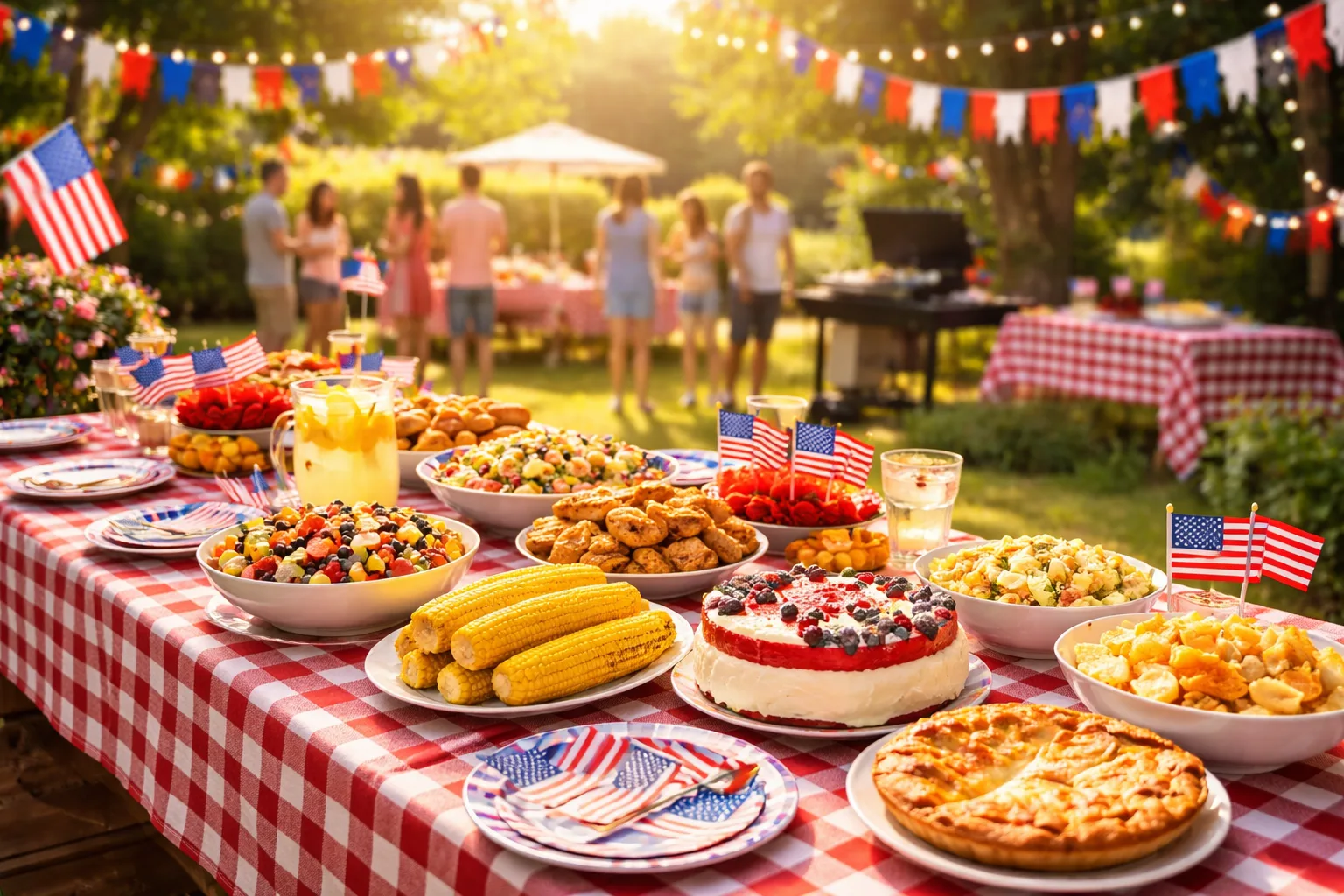
Picture this: It's 2 PM on the 4th of July. Your backyard is filling up with guests, the grill is hot, and the first three cars to pull up all brought the exact same pasta salad. Meanwhile, you have zero desserts, no one remembered a vegetarian option, and your cousin just texted asking, 'Wait, was I supposed to bring something?' You spent two weeks planning this party, and somehow it still feels like chaos.
Sound familiar? The 4th of July potluck is one of America's most beloved summer traditions — and one of the most logistically frustrating. When you're coordinating food for 20, 30, or even 50 people across family, friends, coworkers, and neighbors, the margin for error is enormous. The good news: with a simple digital RSVP system and a little upfront structure, you can run a seamlessly coordinated potluck that actually has the right food, the right headcount, and zero duplicate pasta salads.
Why Potluck Coordination Breaks Down (And Why It Matters)
The classic potluck problem isn't laziness or bad intentions — it's a communication gap. When you send a group text or a Facebook message saying 'bring a dish to share,' you're essentially launching a coordination disaster. No one knows what others are bringing. People default to what's easy (pasta salad, chips, store-bought cookies). And the host ends up either over-catering to fill the gaps or scrambling at the last minute.
For a 4th of July party specifically, the stakes are higher than a casual dinner. You're likely dealing with:
- Larger guest lists — holiday gatherings tend to balloon quickly
- Dietary variety — vegans, gluten-free guests, kids with allergies
- Outdoor logistics — food safety in summer heat matters more than ever
- Timing windows — guests may arrive in waves throughout the afternoon
Getting your dish coordination right isn't just about avoiding duplicates. It's about making sure every guest feels included, every dietary need is covered, and you — the host — actually get to enjoy the party instead of managing food chaos all day.
Step 1: Build Your Menu Framework Before You Invite Anyone
Before you send a single invitation, sit down and map out your potluck menu structure. Think in categories, not specific dishes. A well-balanced 4th of July spread typically needs:
- Proteins: You're likely handling the grill (burgers, hot dogs, chicken). That's your anchor.
- Sides (2–3 slots): Potato salad, corn on the cob, coleslaw, baked beans
- Salads (2 slots): Green salad, pasta salad, fruit salad
- Appetizers/Snacks (1–2 slots): Dips, chips, veggie trays
- Desserts (2–3 slots): Pies, cookies, a patriotic cake
- Beverages (1–2 slots): Lemonade, iced tea, sodas
Assign a rough number of servings needed per category based on your expected headcount. For 30 guests, you want roughly 3–4 substantial side dishes, 2–3 salads, and 2–3 desserts. This framework becomes the backbone of your digital RSVP sign-up.
Step 2: Set Up a Digital RSVP With Dish Sign-Up Built In
Here's where the magic happens. Instead of sending a vague 'bring something to share' message, use a digital RSVP platform like RSVPlinks to create an invitation that includes a structured dish sign-up right in the response form. Guests RSVP, confirm their attendance, and select a dish category — all in one place.
When setting up your digital RSVP, include these key fields:
- Attendance confirmation: Yes / No / Maybe (with a plus-one count so you know exact headcount)
- Dish category selection: Offer a dropdown or checklist with your pre-planned categories — Side Dish, Salad, Dessert, Beverage, Appetizer
- Specific dish name: A short text field where guests type what they plan to bring (this prevents duplicates)
- Dietary notes: A field for guests to flag if their dish is vegetarian, vegan, gluten-free, or contains common allergens
- Arrival time estimate: Especially useful for staggered afternoon arrivals
With RSVPlinks, you can view all responses in a real-time dashboard — so at a glance, you can see that you have four people signed up for desserts but nobody has claimed beverages yet. That's your cue to send a quick follow-up nudge.
Step 3: Send the Invitation Early — and Set a Real Deadline
For a 4th of July party, aim to send invitations at least 3 weeks in advance. The holiday falls on a Friday in 2025, which means people are making travel and social plans early. Getting your invite out by mid-June gives guests time to plan their dish, buy ingredients, and confirm their schedule.
Set your RSVP deadline for 5–7 days before the party. This gives you a buffer to:
- Identify dish gaps and personally ask specific guests to fill them
- Get an accurate headcount for grill proteins and any food you're providing
- Follow up with non-responders (a gentle reminder message works wonders)
- Plan your setup — tables, serving dishes, coolers — based on what's actually coming
Pro tip: In your invitation, be specific about serving size expectations. 'Please bring enough to serve 8–10 people' is far more helpful than 'bring a dish to share.' Guests appreciate the guidance, and it prevents someone showing up with a single pie for 40 people.
Step 4: Manage the Dish List Like a Project, Not a Hope
Once RSVPs start rolling in, treat your dish list like an active document, not a set-it-and-forget-it form. Check it every few days. Look for:
- Duplicate claims: If two people both typed 'potato salad,' reach out to one and gently redirect them to an open category
- Unclaimed categories: If no one has signed up for beverages by one week out, text a specific person: 'Hey, would you be up for bringing lemonade or iced tea? We're short on drinks!'
- Dietary coverage: Make sure at least 2–3 dishes are vegetarian-friendly for guests who don't eat meat
- Timing balance: If most of your appetizers are coming from guests arriving late, you may need to provide a few snacks yourself for early arrivals
Think of yourself as a potluck project manager. The digital RSVP tool gives you the data; your job is to act on it proactively rather than hoping it all works out.
Step 5: Send a Pre-Party Confirmation and Logistics Reminder
Two days before the party, send a brief confirmation message to all confirmed guests. This is one of the most overlooked steps in potluck hosting, and it makes a huge difference. Include:
- The address and parking notes
- Start time and any end time if relevant
- What each guest is bringing (a personal confirmation, not the full list)
- Any logistics they need to know: 'We'll have a cooler for drinks,' 'Please label dishes with allergen info,' 'Bring a serving spoon for your dish'
- A quick note on what you're providing: 'We've got burgers, hot dogs, plates, and utensils covered!'
This pre-party touchpoint reduces no-shows, prevents last-minute 'wait, what was I bringing again?' confusion, and builds excitement. It also signals that you're an organized, thoughtful host — which sets the tone for a great event.
Step 6: Set Up Your Space for Potluck Success
On the day of, your physical setup matters as much as your coordination. A few practical moves:
- Create a dedicated drop-off table near the entrance so arriving guests know exactly where to put their dish
- Label tent cards for each dish category so the buffet stays organized as dishes arrive
- Keep hot dishes near an outlet (or provide a warming station) and cold dishes in a shaded area or on ice
- Have extra serving utensils on hand — guests often forget them
- Set out allergen flags (small printable labels work great) so guests with dietary restrictions can navigate the spread safely
The Result: A Party You Actually Enjoy
When you combine a clear menu framework, a digital RSVP with built-in dish coordination, proactive follow-up, and smart day-of setup, something remarkable happens: you stop being a frantic host and start being a present, relaxed guest at your own party. The food is balanced, the guests are informed, and nobody is standing over the grill wondering if anyone remembered dessert.
The 4th of July only comes once a year. With the right tools — including a platform like RSVPlinks to handle your invitations and RSVP coordination — you can spend less time managing logistics and more time watching fireworks with the people you love.
3 Things You Can Do Today
- Sketch your menu categories right now. Open a notes app and list the dish categories you need covered for your party size. This 10-minute exercise is the foundation of everything else.
- Set up your digital RSVP invitation. Head to RSVPlinks, create your 4th of July event, and build in a dish sign-up field. Send it out this week — early invites get better response rates.
- Schedule your follow-up reminder. Put a calendar reminder for 5 days before your party to review the dish list, identify gaps, and send targeted asks to specific guests. Don't leave it to chance.