How to Organize a Community 4th of July Fireworks Watch Party With Easy Online RSVPs
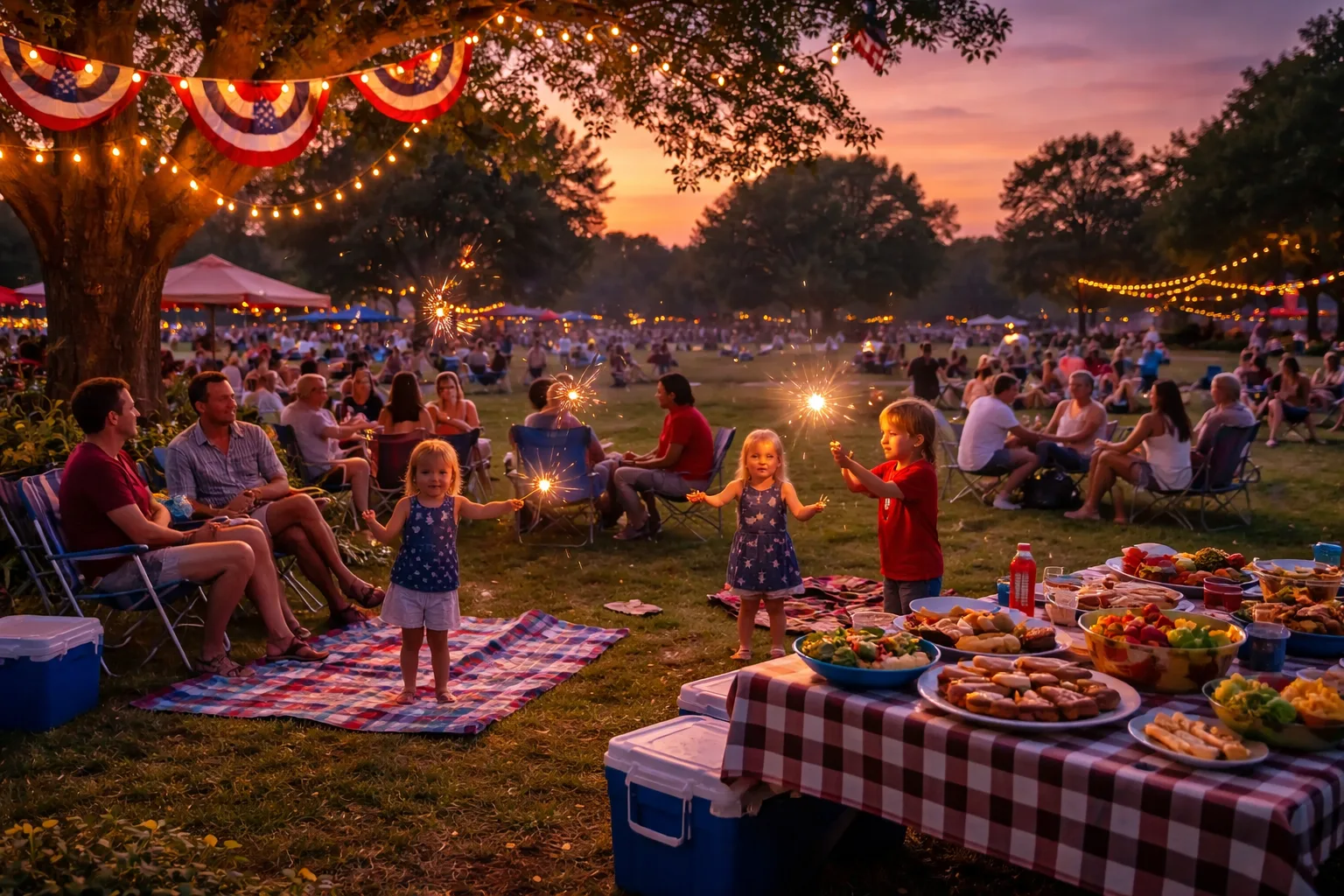
The Group Chat Nightmare You Know Too Well
It's June 28th. You've just sent a message to your neighborhood group chat: 'Hey everyone, thinking of doing a 4th of July fireworks watch party at Riverside Park — who's in?' Within minutes, the chaos begins. Forty-seven replies flood in. Half are thumbs-up emojis. Six people ask what time. Three others suggest different locations. Someone named Dave says he'll 'try to make it.' Your cousin says she's bringing potato salad. Nobody confirms how many people are actually coming. By July 3rd, you still have no idea if you're setting up for 10 people or 60 — and you've already bought 30 hot dog buns.
Sound familiar? Organizing a community 4th of July fireworks watch party should be one of the most fun things you do all summer. Instead, it often turns into a logistical headache that leaves the organizer stressed, over-catered, or standing alone at a picnic table wondering where everyone went.
This guide will walk you through exactly how to pull off a seamless, memorable community fireworks watch party — including the one tool that will save your sanity when it comes to managing RSVPs.
Step 1: Lock In Your Location and Time First
Before you invite a single person, nail down your two non-negotiables: where and when. These details will determine everything else — how many people can realistically attend, what permits you might need, and what supplies to bring.
- Scout the spot early. Visit your chosen park, rooftop, or open field during daylight hours. Check sightlines to where the fireworks will launch. Is there enough flat ground for blankets and chairs? Is there shade for the pre-show hours? Is parking accessible?
- Check local regulations. Many public parks require permits for gatherings over a certain size — often 25 or 50 people. Call your city's parks department at least two weeks out. Some cities also have noise ordinances that kick in before the fireworks even start.
- Set a firm start time. Fireworks typically launch at dusk (around 9–9:30 PM in most of the U.S. on July 4th). Plan your party to start 2–3 hours before so guests can settle in, eat, and enjoy the atmosphere. A 6:30 PM arrival time works well for most communities.
Mini-scenario: Sarah organized a watch party at her neighborhood's community park two years in a row. The first year, she didn't check permit requirements and was asked by a park ranger to disperse 45 minutes before the fireworks started. The second year, she filed a simple permit application three weeks early, paid a $25 fee, and had the whole section reserved just for her group. Same park, completely different experience.
Step 2: Build Your Guest List Strategically
A community fireworks party can mean different things — your immediate neighbors, your HOA, your church group, your kids' school parents, or a mix of all of the above. Before you start inviting, decide on your scope.
- Define your community. Are you inviting your cul-de-sac (15 households) or your entire subdivision (200 families)? The answer changes everything about food, space, and logistics.
- Use a tiered invite approach. Send a 'core group' invite first — close neighbors or friends who will help you set up and coordinate. Then open it up to a broader community list.
- Set a realistic cap. If your spot comfortably fits 75 people, cap your RSVP list at 75. Overcrowding a fireworks viewing spot is uncomfortable and can create safety issues.
Step 3: Send a Real Invitation — Not Just a Text
This is where most community organizers lose control of the guest count. A text blast or Facebook post asking 'who wants to come?' is not an invitation — it's an open question that generates noise, not data.
A proper digital invitation does three things: it gives guests all the information they need (location with a map link, start time, what to bring, parking notes), it makes RSVPing a single tap or click, and it gives you a real-time, organized list of who's coming.
This is exactly where RSVPlinks makes a genuine difference. You create one event page with all the details, share a single link via text, email, or social media, and guests RSVP in seconds. You see a live count of confirmed attendees, can send reminder messages to non-responders, and never have to scroll through 47 group chat messages to figure out your headcount again.
Mini-scenario: Marcus organized a block party for 60 neighbors using a shared link. He sent it out on June 20th, had 38 confirmed RSVPs by June 25th, sent one reminder to the remaining households, and hit 54 confirmed guests by July 1st. He bought supplies based on real numbers — and had almost zero waste.
Step 4: Plan the Food and Drinks Smartly
The food spread is what separates a great watch party from a forgettable one. But over-catering is one of the most common (and expensive) mistakes organizers make.
- Go potluck-style with assigned categories. Don't just say 'bring a dish.' Assign categories: proteins (hot dogs, burgers, chicken), sides (salads, chips, corn), desserts (watermelon, cookies, flag cake), and drinks. Use your RSVP form to let guests indicate what they're bringing — this prevents 11 bags of chips and zero napkins.
- Calculate quantities by confirmed headcount. A good rule of thumb: plan for 1.5 servings per adult, 1 serving per child. If you have 50 confirmed guests (35 adults, 15 kids), that's roughly 52 servings of each main dish category.
- Keep it simple and heat-safe. July 4th is hot. Stick to foods that hold up in summer heat — skip mayo-heavy dishes that sit out, and opt for grilled items, fresh fruit, and individually packaged snacks.
- Designate a drinks station. Set up a self-serve cooler station with water, lemonade, and sodas. Label it clearly and refill it before the fireworks start so you're not playing server during the show.
Step 5: Create a Setup Timeline and Assign Roles
The day-of logistics are where solo organizers burn out. Don't do it all yourself.
- Arrive 90 minutes early to stake out your spot, lay out blankets and chairs, and set up the food and drink station.
- Assign a 'greeter' — one person whose job is to welcome guests as they arrive and point them toward the food and seating areas.
- Designate a 'food captain' who manages the potluck setup, labels dishes, and handles serving utensils.
- Set up a kids' activity zone — sidewalk chalk, glow sticks, and a designated play area keep younger guests entertained during the 2-hour pre-show window.
- Brief your crew on the fireworks start time so everyone is in position with a clear sightline when the show begins. Nothing is more annoying than being stuck behind a tree at the key moment.
Step 6: Handle the Post-Party Details
A great community event ends cleanly. Bring extra trash bags, designate a cleanup crew of 3–4 volunteers (recruit them during the RSVP process — add a simple 'Can you help with setup or cleanup?' option on your invite), and leave the space better than you found it. This is what earns you the reputation as the neighbor who throws the best parties — and gets people excited to come back next year.
After the event, send a quick thank-you message through your RSVP platform to everyone who attended. Include a few photos if you have them. This small gesture closes the loop and builds community goodwill that makes your next event even easier to fill.
3 Things You Can Do Today to Get Started
- 1. Confirm your location and check permit requirements — Call your city's parks department or HOA today. This is the step most people skip and then regret.
- 2. Create your digital invitation — Set up your event page on RSVPlinks, add all the key details, and share your link. The sooner your invite goes out, the better your RSVP rate will be. Invites sent 2+ weeks in advance consistently get higher response rates.
- 3. Recruit two helpers now — Text two reliable neighbors or friends today and ask them to be your setup crew. Getting commitments early means you won't be scrambling the morning of July 4th.
A community fireworks watch party is one of those rare events that genuinely brings people together — neighbors who wave from driveways actually sit on the same blanket and share food. With the right planning and the right tools to manage your RSVPs, you can make it happen without the chaos. This year, be the person who made it easy. Your community will thank you for it.