How to Plan a Juneteenth Freedom Celebration Dinner for Your Community (Step-by-Step)
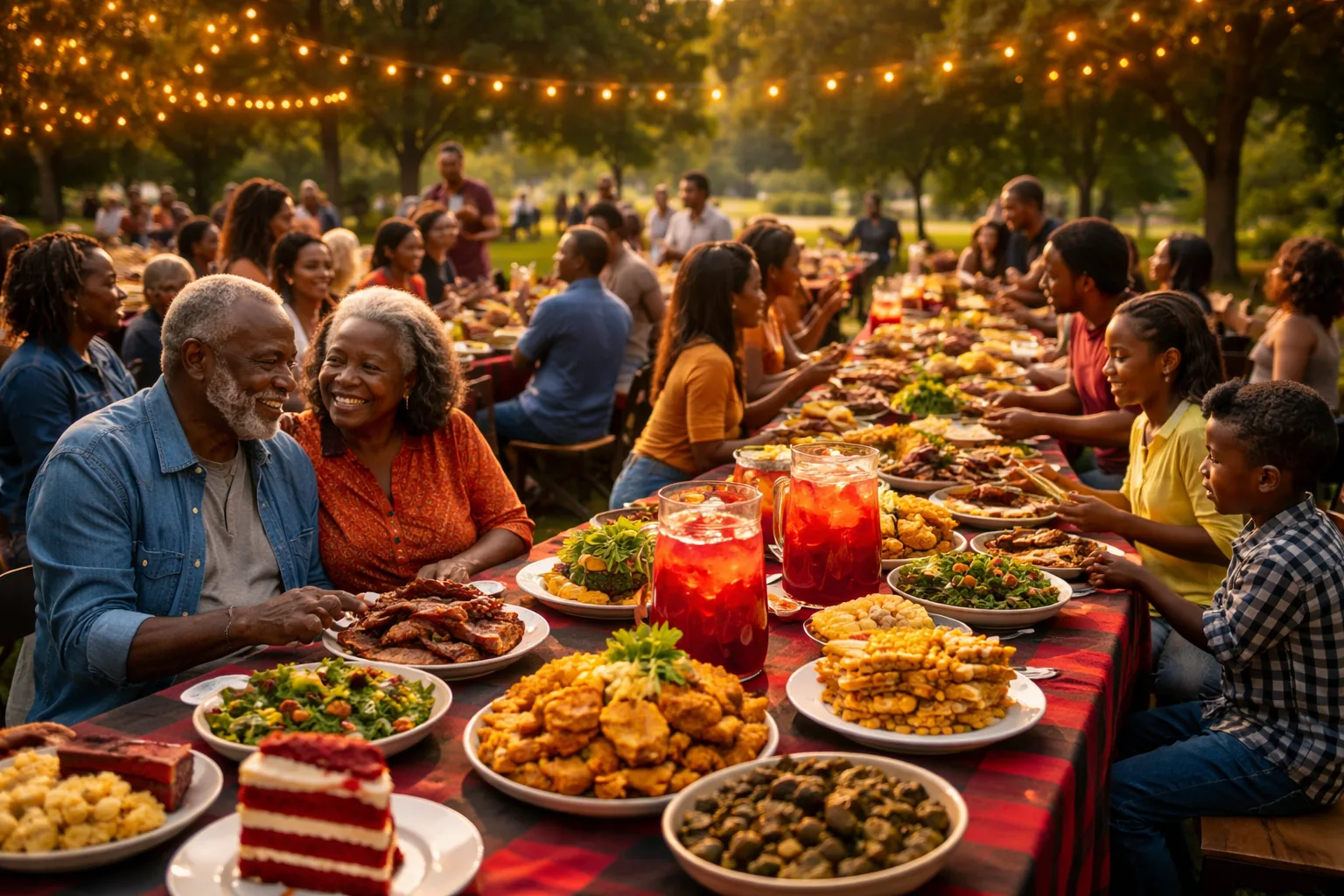
The Dinner Table That Almost Wasn't
Picture this: It's the first week of June, and you've just volunteered to organize your neighborhood's Juneteenth Freedom Celebration dinner. You're excited — this is important, this is meaningful — but within 48 hours, the group chat is chaos. Nobody knows how many people are coming. Someone ordered food for 40, but 70 people showed up last year. The venue deposit is due, and you still don't have a headcount. Three people say they're bringing potato salad. The vegetarians feel forgotten. And your cousin keeps asking, 'So… is this a ticketed event or nah?'
Sound familiar? Planning a community Juneteenth dinner is one of the most rewarding things you can do — and one of the most logistically overwhelming if you go in without a system. This guide walks you through exactly how to do it right, from the first planning meeting to the final plate served.
Why Juneteenth Dinners Deserve Thoughtful Planning
Juneteenth — observed on June 19th — commemorates the day in 1865 when enslaved people in Galveston, Texas finally received word that they were free, more than two years after the Emancipation Proclamation. It is a day of joy, reflection, cultural pride, and community. A Freedom Celebration dinner is more than a potluck — it's an act of remembrance and belonging.
That's exactly why the logistics matter. When the planning falls apart, the meaning gets lost in the noise. When it's done well, the dinner becomes a tradition people talk about for years.
Step 1: Define Your Vision and Set a Budget Early
Before you book a venue or send a single invitation, get clear on what kind of event you're hosting. Ask yourself and your planning committee these questions:
- Is this a free community event or ticketed? Ticketed events help cover costs and give you a firm headcount.
- How many people are you expecting? Estimate conservatively and plan for 20% more.
- What's the tone? Formal sit-down dinner, casual cookout-style feast, or buffet celebration?
- Will there be programming? Speakers, musical performances, a moment of reflection, or a history lesson for the kids?
Once you've answered these, build a simple budget. Include venue rental, food and catering (or supplies for a potluck), decorations, entertainment, and a small contingency fund. If your event is community-funded, consider platforms like GoFundMe or local church/organization sponsorships to offset costs.
Real-world example: A neighborhood association in Atlanta planned a 60-person Juneteenth dinner with a $1,200 budget — $400 for the community center rental, $600 for catered BBQ and sides, and $200 for decorations and a local spoken word artist's honorarium. They covered it through a $25 suggested donation per family.
Step 2: Choose a Meaningful Venue
The right venue sets the tone. Consider spaces that have cultural significance or community roots:
- A local Black-owned restaurant or event space
- A church fellowship hall or community center
- A park pavilion (weather permitting — always have a rain plan)
- A school gymnasium or outdoor courtyard
Book your venue at least 6–8 weeks in advance. June 19th falls mid-June, which is prime season for events, so spaces fill up fast. When you confirm the venue, ask about tables, chairs, kitchen access, and parking — these details matter more than people expect.
Step 3: Send Invitations Early — and Make RSVPs Non-Negotiable
This is where most community dinners go sideways. People send a flyer in the group chat, get a flood of 'I'll try to make it' responses, and then have no idea what to plan for. Vague RSVPs are the enemy of a well-run dinner.
Send formal digital invitations at least 4 weeks before the event, with a clear RSVP deadline — ideally 10 days before the dinner. Your invitation should include:
- Date, time, and location (with address and parking info)
- What to bring (if potluck-style)
- Any ticket or donation information
- Dietary restriction questions
- A hard RSVP deadline with a link to respond
Using a platform like RSVPlinks makes this process seamless. You can create a beautiful, branded event page, collect RSVPs with custom questions (like 'What dish are you bringing?' or 'Do you have dietary restrictions?'), and send automated reminders to guests who haven't responded yet. No more chasing people down in the comments section.
Pro tip: When you ask guests to RSVP, also ask how many people they're bringing. 'I'm coming' and 'My family of 6 is coming' are very different answers for your food planning.
Step 4: Plan a Menu That Honors the Culture
The food at a Juneteenth celebration is deeply symbolic. Traditional Juneteenth foods have roots in African American culinary heritage and the original celebrations in Texas. Build your menu around these pillars:
- Red foods and drinks: Strawberry soda, hibiscus lemonade, red velvet cake, and watermelon are all traditional — red symbolizes resilience and sacrifice.
- Southern staples: BBQ brisket or ribs, fried chicken, collard greens, black-eyed peas, cornbread, mac and cheese, and sweet potato pie.
- Modern additions: Incorporate dishes from the African diaspora — jollof rice, plantains, Haitian griot, or Caribbean-style coleslaw — to celebrate the full breadth of Black culture.
If you're doing a potluck, use your RSVP system to assign dish categories so you don't end up with 11 potato salads and no desserts. Assign appetizers, mains, sides, and desserts to different households based on family size.
Don't forget to plan for dietary needs. Your RSVP form should ask about vegetarian, vegan, gluten-free, or allergy requirements — and your menu should have options for everyone at the table.
Step 5: Create Meaningful Programming
A Juneteenth dinner is more than a meal — it's a cultural moment. Even 20–30 minutes of intentional programming can transform the evening. Consider:
- A brief history moment: Share the story of June 19th, 1865 — especially for younger guests who may not know the full history.
- A spoken word or musical performance: Reach out to local artists, many of whom are honored to perform at community events for a small honorarium.
- A community acknowledgment: Recognize elders, community leaders, or families who have contributed to the neighborhood.
- A freedom toast: Lead a collective toast to freedom, ancestors, and the future — this becomes a powerful shared memory.
Real-world example: A church in Houston incorporated a 'freedom quilt' activity where children decorated fabric squares with drawings of what freedom meant to them. The squares were later sewn into a quilt displayed in the church hall year-round.
Step 6: Manage Day-Of Logistics Like a Pro
The week before your event, confirm your headcount from RSVPs and finalize food quantities. On the day of:
- Arrive at the venue 2 hours early to set up tables, decorations, and the food station.
- Assign volunteers specific roles: greeter, food coordinator, children's activity lead, and cleanup crew.
- Set up a check-in table where guests can sign in — this helps you track attendance for future events.
- Have a printed or digital run-of-show so everyone knows the timeline.
Use your RSVPlinks guest list to check people in as they arrive. This keeps things organized and gives you accurate data for planning next year's event.
Step 7: Capture the Memories and Build Tradition
Ask a community member with photography skills to document the evening. Share photos afterward in your community group, and start a digital album that grows year after year. Send a follow-up thank-you message to all attendees — your RSVP platform makes this easy with a guest list already in hand.
Most importantly: debrief with your planning committee within a week. What worked? What would you change? Document it so next year's planning starts from a stronger foundation.
Your 3 Action Steps to Start Today
- 1. Set your date and book your venue this week. Don't wait — June fills up fast and the best community spaces go early.
- 2. Create your event page and open RSVPs now. Use RSVPlinks to build your invitation, add your custom questions, and start collecting firm commitments from your community.
- 3. Form your planning committee of 3–5 people and assign clear roles before your first meeting ends. A dinner planned by a team is always better than one person trying to do everything alone.
Juneteenth is a celebration of freedom — and the best way to honor that freedom is to bring your community together with intention, joy, and a whole lot of good food. Start planning today, and make this the dinner your neighborhood talks about for years to come.