How to Plan a Labor Day Weekend BBQ Party and Collect RSVPs Like a Pro
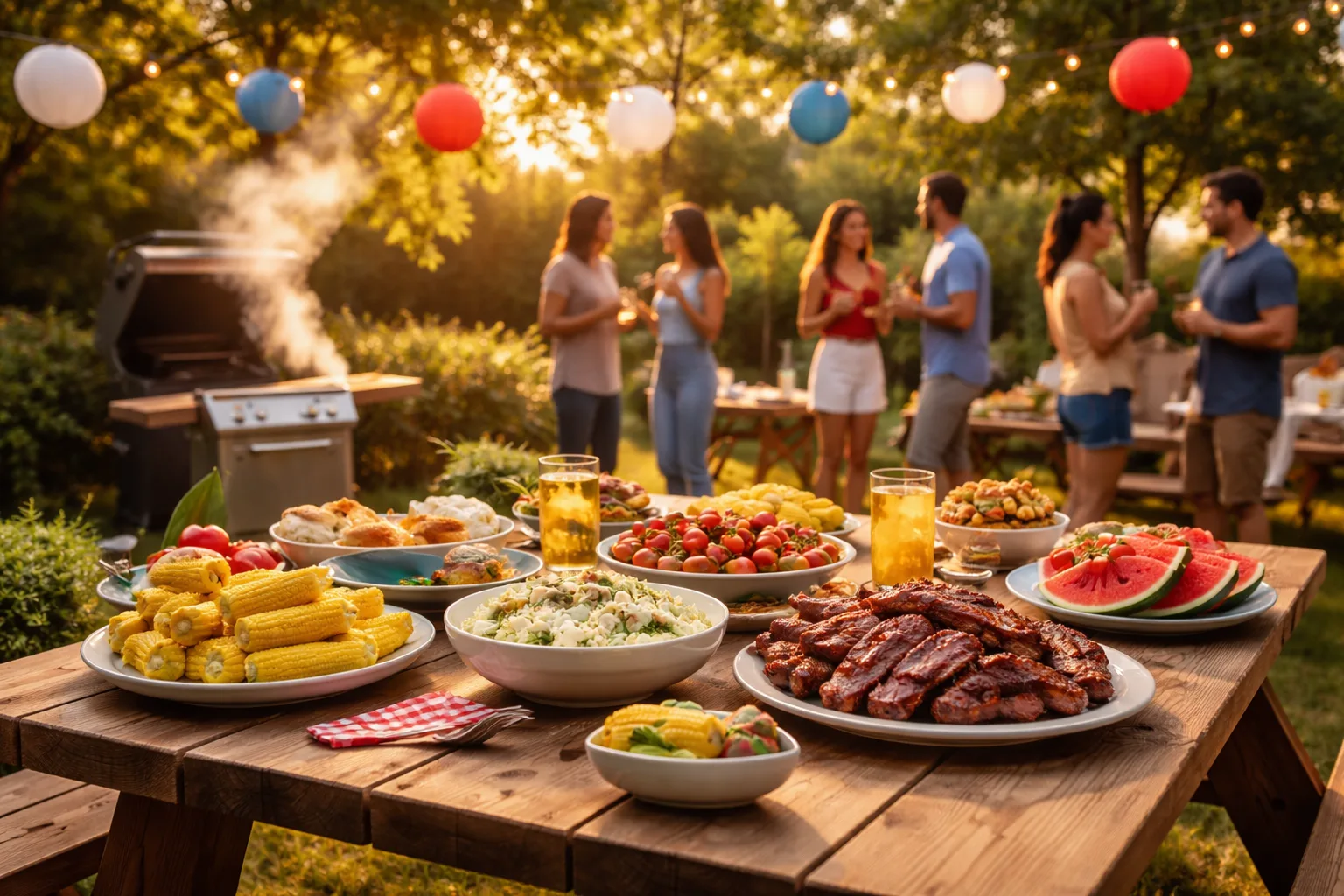
The Chaos Nobody Warns You About
It's the Friday before Labor Day weekend. You've got a cooler full of ribs, a bag of charcoal, and absolutely no idea how many people are actually showing up tomorrow. You texted 30 people. Fourteen said 'maybe.' Six left you on read. Three said yes but brought four extra people. And your cousin — the one who 'definitely' wasn't coming — just pulled into the driveway with a potato salad and her entire family of five.
Sound familiar? You're not alone. Labor Day BBQs are one of the most beloved summer traditions in America, but the logistics of planning one can turn a fun afternoon into a full-blown headache. The biggest culprit? Scattered, informal RSVPs that leave you guessing right up until the moment you fire up the grill.
This guide is your fix. Whether you're hosting 15 close friends or 60 extended family members, here's exactly how to plan a Labor Day weekend BBQ party — and collect RSVPs like an absolute pro.
Step 1: Lock In Your Details Before You Invite Anyone
The number one mistake hosts make is sending out invitations before they've nailed down the basics. Vague invites get vague responses. Before you invite a single person, confirm the following:
- Date and time: Labor Day weekend spans Saturday, Sunday, and Monday. Pick one day and stick to it. Monday is traditional, but Saturday gives you a buffer if weather turns.
- Location: Your backyard, a park pavilion, or a friend's property — make sure it's confirmed and accessible.
- Headcount capacity: Know your limit. If your yard comfortably fits 40 people, don't invite 80 and hope for the best.
- Food format: Are you cooking everything, or is this a potluck? Will you have vegetarian or allergy-friendly options? Decide now so guests know what to expect and what to bring.
Once these details are locked, you're ready to send invitations that actually get responses.
Step 2: Send a Real Invitation — Not a Group Text
Here's the truth: group texts are RSVP killers. When you text 25 people at once, everyone assumes someone else will respond. The thread fills with memes. Nobody commits. You're left with a chaotic mess of half-answers and emoji reactions that tell you nothing useful.
Instead, send a proper digital invitation. A well-designed invite signals that this is a real event worth responding to. It also gives you a centralized place to collect and track RSVPs without chasing people down individually.
Platforms like RSVPlinks let you create a custom event invitation page with your party details, a guest list, and a simple RSVP form — all in one shareable link. You send the link via text, email, or social media, and guests click to confirm attendance, decline, or even add a plus-one. No more cross-referencing a dozen text threads at midnight.
Mini-scenario: Sarah is hosting 45 people for a Labor Day cookout. She creates an RSVPlinks event page in under 10 minutes, adds her party details and a fun BBQ-themed header, and shares the link in her family group chat and with her friend circle. Within 48 hours, she has 38 confirmed responses — and a clear headcount to plan her grocery run around. No follow-up texts required.
Step 3: Set a Clear RSVP Deadline (And Actually Enforce It)
An RSVP without a deadline is just a suggestion. If your party is on Monday, September 1st, set your RSVP deadline for Wednesday or Thursday the week before. This gives you the weekend to shop, prep, and plan without scrambling at the last minute.
When you send your invitation, make the deadline prominent and friendly — something like: 'Please RSVP by Thursday, August 28th so we can make sure there's enough food and cold drinks for everyone!' People respond to urgency when it's framed as a benefit to them, not a demand.
For stragglers who miss the deadline, send one polite follow-up — a quick text or a reminder through your invitation platform. After that, plan for the number you have confirmed and let go of the rest. You cannot cook for ghosts.
Step 4: Ask the Right Questions in Your RSVP Form
A smart RSVP doesn't just ask 'are you coming?' It collects the information you actually need to host well. Consider adding these questions to your RSVP form:
- How many people are in your party? — This prevents the dreaded 'I'm bringing 3 extras' surprise at the door.
- Any dietary restrictions or allergies? — Critical if you want to be a thoughtful host and avoid an ER visit.
- Will you be bringing a dish or drink to share? — If it's a potluck-style event, this helps you avoid ending up with six pasta salads and zero desserts.
- Approximate arrival time? — Especially useful for large parties where you want to stagger arrivals and avoid a parking nightmare.
Mini-scenario: Marcus is grilling for his neighborhood block party. By asking about dietary restrictions in his RSVP form, he discovers three guests are vegetarian and one has a severe nut allergy. He plans a veggie skewer station and keeps the desserts nut-free. His guests feel seen and cared for — and Marcus avoids an awkward situation mid-party.
Step 5: Plan Your Food and Supplies Around Confirmed Numbers
Once your RSVP deadline passes and you have a real headcount, it's time to plan like a pro. Here's a simple framework for BBQ food planning:
- Protein: Plan for approximately 1/2 pound of meat per adult and 1/4 pound per child. For 40 adults, that's 20 pounds of protein across burgers, hot dogs, ribs, or chicken.
- Sides: Two to three substantial sides per 10 guests. Coleslaw, corn on the cob, potato salad, and baked beans are crowd-pleasing classics.
- Drinks: Two to three drinks per person for a 3–4 hour party. Don't forget non-alcoholic options and water.
- Extras: Add a 10–15% buffer for unexpected guests or bigger-than-expected appetites. Not a 30% buffer — that's how you end up with 40 leftover hot dogs.
Having a confirmed headcount from your RSVPs is what makes this math possible. Without it, you're either over-buying (expensive) or under-buying (embarrassing).
Step 6: Create a Day-Of Game Plan
Even the best-planned BBQ can fall apart on the day if you don't have a simple execution plan. Here's a quick checklist to keep you organized:
- Set up seating and shade areas the morning of the party
- Pre-marinate and prep proteins the night before
- Set up a self-serve drinks station so guests aren't asking you for beverages every 10 minutes
- Designate a grill master — yourself or a trusted friend — so the grill isn't a free-for-all
- Create a simple food timeline: when each item hits the grill and when it comes off
- Have trash and recycling bins clearly visible to keep the space clean
The goal is to spend the party with your guests, not running logistics. A little prep work the day before means you can actually enjoy the holiday you're celebrating.
Step 7: Send a Quick Pre-Party Reminder
Twenty-four to 48 hours before your event, send a brief reminder to your confirmed guests. Keep it warm and excited — not nagging. Include:
- The date, time, and address (with a Google Maps link if possible)
- Parking instructions if needed
- A reminder of what to bring (sunscreen, lawn chairs, a dish to share, etc.)
- Any last-minute updates (new start time, rain plan, etc.)
If you used RSVPlinks to manage your invitations, you can send this reminder directly through the platform to all confirmed guests — no need to copy-paste into a dozen separate texts.
3 Takeaways You Can Act On Today
Planning a Labor Day BBQ doesn't have to be stressful. Here's what to do right now:
- Lock your details and create your invitation today. Don't wait until the week before. Set up a digital invitation with a clear RSVP deadline and share it this week. The earlier you send it, the more responses you'll collect.
- Ask smarter RSVP questions. Add a headcount field, a dietary restrictions question, and a potluck contribution option to your form. This one step will save you hours of back-and-forth messages.
- Plan your grocery run only after your RSVP deadline passes. Resist the urge to shop early based on guesses. Wait for your confirmed numbers, add your 10–15% buffer, and shop with confidence.
Labor Day weekend only comes once a year. With the right planning and a smarter RSVP process, you can spend less time stressing over logistics and more time doing what the holiday is actually for — good food, great company, and a well-deserved long weekend.