How to Plan a Labor Day Neighborhood Cookout That the Whole Street Will Show Up To
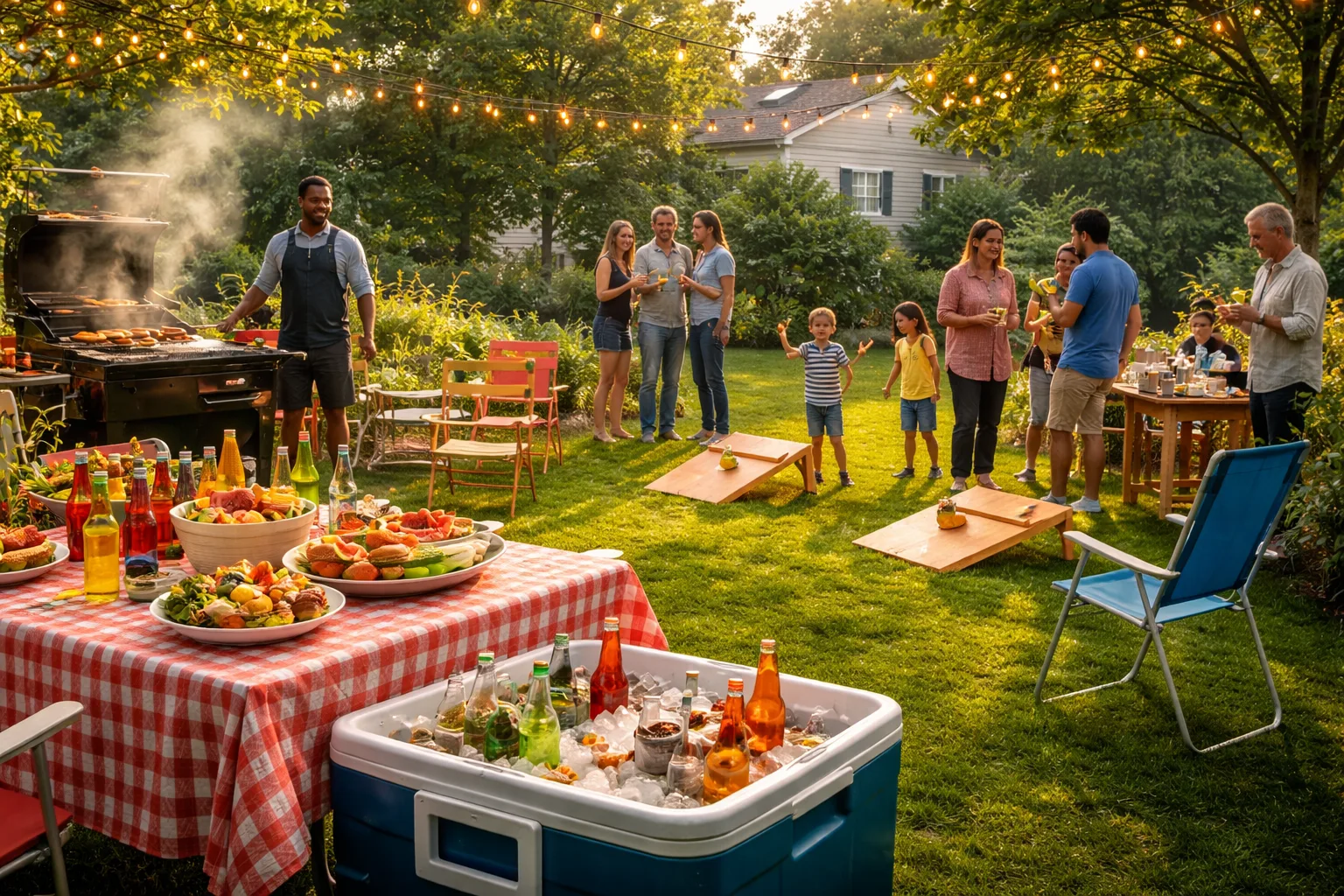
The Cookout Nobody Came To
Last Labor Day, your neighbor Dave spent three days marinating ribs, inflated a bounce house in the backyard, and bought enough corn to feed a small village. By 3 PM, it was Dave, his wife, and two confused kids eating in silence while the street stayed eerily quiet. Not because people didn't like Dave. Not because the ribs weren't legendary. But because Dave sent a group text on Friday night saying 'hey cookout Sunday, come by if you want' — and nobody knew if they were actually invited, what time to show up, or whether to bring anything.
Sound familiar? Planning a Labor Day neighborhood cookout is one of those events that feels simple in theory and turns into a logistical puzzle in practice. Who do you invite? How do you coordinate food without ending up with 14 bags of chips and zero desserts? How do you get people to actually commit instead of giving you the dreaded 'maybe, we'll see'?
This guide gives you a concrete, step-by-step plan to pull off a Labor Day cookout that becomes the neighborhood tradition everyone looks forward to — the kind where people start asking in July if it's happening again this year.
Step 1: Lock In the Logistics Early (Like, Right Now)
Labor Day weekend is the last big outdoor hurrah before fall sets in, which means your neighbors are already making plans. Camping trips get booked. Family visits get scheduled. If you want people to show up, you need to claim their calendar at least three weeks out.
Pick a specific time window — not 'afternoon,' but '2 PM to 7 PM.' People need to know when to arrive and, honestly, when it's okay to leave. Choose a location that works for the crowd: your backyard, a cul-de-sac, a nearby park with a pavilion, or even a shared green space in your community. If you're using a park, check permit requirements early — some municipalities require reservations for groups over 25.
Think through the basics before you send a single invite:
- Location: Your yard, a neighbor's larger space, or a community area?
- Rain plan: Tents, a garage, or a backup indoor option?
- Parking: Will guests need to park on the street or at a nearby lot?
- Kids and pets: Are they welcome? (Spoiler: say yes and watch attendance double.)
Step 2: Send a Real Invitation — Not a Group Text
Here's where most neighborhood cookouts die before they even start. A casual text or a Facebook post buried under memes isn't an invitation — it's a suggestion. People don't RSVP to suggestions.
A proper invitation signals that this is a real event worth showing up to. It tells guests what to expect, when to arrive, and — critically — gives them a clear way to say yes. This is where a tool like RSVPlinks makes a genuine difference. You can create a clean, shareable event invitation link in minutes, send it via text, email, or even drop it in your neighborhood's group chat, and start seeing confirmed responses roll in instead of radio silence.
Your invitation should include:
- Date, start time, and end time
- Exact address or location name
- What you're providing (the grill, main proteins, drinks)
- What you'd love guests to bring (sides, desserts, lawn chairs)
- An RSVP deadline — 'Please let us know by August 25th so we can plan food'
- A contact for questions
When neighbors see a clear, organized invitation with a deadline, two things happen: they take it seriously, and they actually respond. It also gives you the headcount you need to shop and plan without guessing.
Step 3: Coordinate Food Like a Pro (No More Chip Avalanche)
The potluck model is beautiful in theory and chaotic in practice. Without coordination, you end up with a table of duplicate dishes and a mysterious gap where the salad should be. Here's a simple system that works:
You cover the anchor items: The grill proteins (burgers, hot dogs, chicken, or a plant-based option), buns, condiments, and a cooler of drinks. These are the non-negotiables that make it feel like a real cookout.
Then divide the rest into categories and assign them loosely when people RSVP:
- Sides: Potato salad, coleslaw, pasta salad, corn, baked beans
- Snacks and apps: Chips, dips, veggie trays, watermelon
- Desserts: Brownies, cookies, pie, ice cream
- Extras: Napkins, paper plates, extra ice, lawn games
When someone RSVPs, ask them: 'Would you be able to bring a side dish or dessert? We're trying to make sure we have a good spread.' Most people are happy to contribute — they just need to be asked directly. Using RSVPlinks, you can even add a note field to your RSVP form where guests can indicate what they're planning to bring, so you can track contributions in one place without a separate spreadsheet.
Step 4: Create an Atmosphere, Not Just a Meal
The cookouts people talk about for years aren't the ones with the fanciest food — they're the ones with the right vibe. A few intentional touches go a long way:
Music: Build a collaborative playlist and share the link in your invitation. Let neighbors add songs in advance. By the time the event starts, the playlist already feels communal.
Lawn games: Cornhole, bocce ball, ladder toss, or a simple water balloon station for kids. These give people something to do while they're waiting for food and naturally spark conversation between neighbors who don't know each other well.
A welcome moment: When a good chunk of guests have arrived, take 60 seconds to welcome everyone, introduce any new neighbors, and give a quick toast. It sounds small, but it transforms a gathering into a community event.
Shade and seating: Underrated. If your yard has limited shade, rent or borrow a canopy tent. Have more chairs than you think you need. People stay longer when they're comfortable.
Step 5: Handle the Logistics That Kill the Vibe
A few practical details that experienced hosts swear by:
- Start the grill 30 minutes before guests arrive. Nothing kills momentum like 40 hungry people watching you struggle to light charcoal at 2:15 PM.
- Set up a self-serve drink station. A cooler with labeled drinks and a separate water jug means you're not playing bartender all afternoon.
- Label dishes for allergens. A simple index card that says 'contains nuts' or 'gluten-free' is a small gesture that makes a big impact for guests with dietary needs.
- Designate a kids' zone. A corner with lawn games, bubbles, or chalk keeps kids occupied and gives parents a reason to relax and actually enjoy themselves.
- Have a cleanup plan. Set out clearly labeled trash and recycling bins before guests arrive. Ask one or two close friends to help break down at the end.
Step 6: Follow Up and Make It a Tradition
The day after the cookout, send a quick thank-you message to everyone who came. Share a few photos if you took them. This is the move that turns a one-time event into an annual tradition — it shows people their presence was noticed and appreciated.
Then, while it's fresh, jot down three things that went well and two things you'd change. Did you run out of ice? Note it. Did the bocce ball tournament go over huge? Do it again next year. Small reflections compound into a genuinely legendary annual event.
3 Things You Can Do Today
You don't need to wait until August to start. Here's what to do right now:
- Pick your date and location — commit to it today so you can start telling people. Labor Day is September 1st, 2025, so aim to have invites out by early-to-mid August.
- Set up your RSVP link — head to RSVPlinks and create your event invitation. It takes less than five minutes and immediately makes your cookout feel official and organized.
- Text three neighbors today — not to invite them yet, just to say 'Hey, I'm planning a neighborhood cookout for Labor Day — save the date.' Early buzz builds anticipation and makes people feel included from the start.
Dave's ribs deserved a full street. This year, make sure yours get one.