How to Plan a Late Summer Charity Auction Gala and Manage Your Guest List Seamlessly
The Spreadsheet Nightmare Nobody Warns You About
It's 11 PM, three weeks before your charity auction gala, and you're staring at a Google Sheet with 247 rows, color-coded tabs, and a growing sense of dread. Column G says 'Confirmed,' but you haven't actually heard back from 60% of your donors. Your board chair just texted asking for a final headcount. The caterer needs numbers by Friday. And somewhere in that spreadsheet, you're pretty sure you accidentally deleted a table assignment for your biggest corporate sponsor.
If you've ever organized a charity gala, this scene is painfully familiar. The late summer auction event — a staple of nonprofit fundraising calendars — is one of the most logistically complex gatherings you'll ever coordinate. You're managing donors, board members, corporate tables, auction item bidders, volunteers, and VIP guests, often simultaneously. One missed RSVP or a seating mix-up can damage relationships that took years to build.
This guide will walk you through exactly how to plan a late summer charity auction gala from the ground up — and more importantly, how to manage your guest list without losing your mind.
Why Late Summer Is Actually the Perfect Window
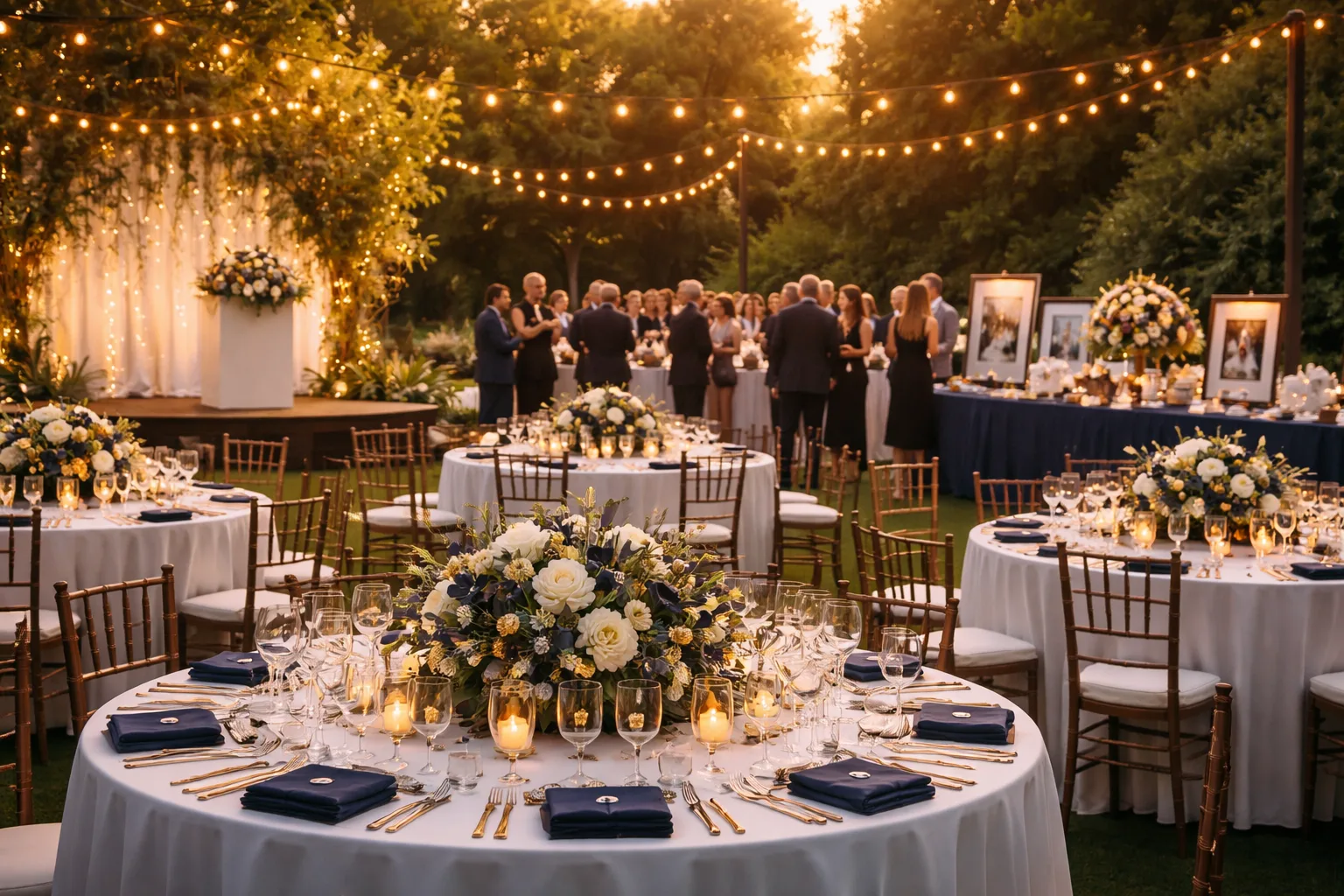
August and early September occupy a sweet spot in the fundraising calendar. Major spring galas are over, fall giving season hasn't kicked into high gear, and your donors are returning from vacation with renewed energy and open checkbooks. Outdoor or semi-outdoor venues are still viable, allowing for elegant garden settings, rooftop terraces, or tented pavilions that feel luxurious without the winter venue premium.
The competition for donor attention is lower, which means your event can stand out. But that same window closes fast — which is why your planning timeline needs to start at least 10–12 weeks out.
Step 1: Lock In Your Venue and Date Early (10–12 Weeks Out)
Late summer venues book quickly, especially outdoor and semi-outdoor spaces. Start your venue search no later than three months before your target date. When evaluating spaces, think beyond aesthetics:
- Capacity for your auction layout: You need space for dining tables, a live auction stage or podium, silent auction display tables, a check-in area, and a cocktail reception zone. A room that fits 200 for a wedding may only comfortably fit 150 for a gala auction format.
- Climate contingency: Late summer heat can be brutal. Confirm that indoor air conditioning or tent cooling is available, and have a rain plan for any outdoor components.
- Vendor flexibility: Some venues require you to use their catering. If you have a preferred caterer or dietary requirements from major donors, confirm flexibility upfront.
Real scenario: A regional animal shelter chose a vineyard for their August gala — stunning setting, but no indoor backup. A surprise heat wave pushed temperatures to 98°F on event day. They scrambled for industrial fans and lost two hours of auction time to guest discomfort. Always have a Plan B.
Step 2: Build Your Guest List Strategically (8–10 Weeks Out)
Your guest list isn't just a headcount — it's a fundraising strategy. Structure it intentionally:
- Anchor tables first: Identify your 5–8 corporate sponsors who will purchase full tables (typically 8–10 seats each). These commitments give you a financial floor before individual ticket sales open.
- Tiered invitations: Send VIP and major donor invitations 2–3 weeks before the general invitation goes out. This gives them priority access and signals their importance to your organization.
- Capacity buffer: Plan for 15–20% no-shows among individual ticket holders, but assume corporate tables will be fully occupied. Build your catering numbers accordingly.
- Plus-ones and table guests: Corporate sponsors often bring guests who aren't in your donor database. Create a simple process for collecting their names and contact information before the event.
Step 3: Send Invitations That Actually Get RSVPs (7–8 Weeks Out)
Paper invitations are still powerful for high-end galas — they signal prestige and seriousness. But they need a digital RSVP mechanism. Asking guests to mail back a card or call a phone number in 2024 is a friction point that kills response rates.
The most effective approach is a beautifully designed physical invitation paired with a clean, mobile-friendly RSVP page. When a donor can confirm their attendance, choose their meal option, and indicate their auction interests in under two minutes on their phone, your response rate climbs dramatically.
This is exactly where a platform like RSVPlinks becomes invaluable. You can create a branded RSVP page that matches your gala's aesthetic, collect meal preferences and dietary restrictions, track responses in real time, and send automated reminders to guests who haven't responded — all without touching a spreadsheet. When your board chair texts at 11 PM asking for headcount, you can answer in 30 seconds.
Real scenario: A children's hospital foundation sent 380 invitations for their August gala. Using a digital RSVP system, they had 71% response rate within 10 days — compared to 34% the previous year with a phone-in RSVP process. They identified their final headcount three weeks early, saving thousands in catering overages.
Step 4: Manage the Auction Logistics in Parallel (5–7 Weeks Out)
The auction is the financial engine of your event. Treat it as a separate project running alongside your event logistics:
- Silent auction items: Aim for 30–50 items with starting bids at 30–40% of fair market value. Group items thematically (travel, dining, experiences, art) to make browsing intuitive.
- Live auction items: Select 8–12 premium items that benefit from competitive bidding energy. Travel packages, exclusive experiences, and one-of-a-kind items perform best.
- Bidder registration: Pre-register all guests as bidders before they arrive. Collect credit card information in advance so checkout is fast and frictionless. Long checkout lines are the number-one complaint at charity auctions.
- Auction software: Use a dedicated auction platform (Handbid, OneCause, or Givesmart) that integrates mobile bidding. This dramatically increases bid volume on silent auction items.
Step 5: Finalize Seating and Check-In (2–3 Weeks Out)
Once your RSVP window closes, build your seating chart with intention:
- Seat your top 10 donors within clear sightlines of the live auction stage — they need to feel the energy to bid big.
- Mix new donors with established supporters at tables to facilitate organic relationship-building.
- Keep corporate tables intact — don't split up a sponsor's guests unless they request it.
- Create a clear check-in process with alphabetical lines or digital lookup. A backed-up check-in line creates a poor first impression and delays your program start.
Export your confirmed guest list from your RSVP platform into your check-in system at least 48 hours before the event. Print a backup paper list — technology fails at the worst moments.
Step 6: Day-Of Execution
Your day-of timeline should be locked and distributed to all staff and volunteers at least one week before the event. Key anchors:
- Venue setup: Allow 4–6 hours minimum for a gala of 150+ guests.
- Volunteer briefing: 90 minutes before doors open. Cover check-in procedures, seating chart changes, and auction rules.
- Cocktail hour: 45–60 minutes. Silent auction opens. This is your highest-energy bidding window — don't rush it.
- Program pacing: Keep speeches under 20 minutes total. Donor fatigue is real. Move to live auction while energy is high.
- Checkout: Open checkout 30 minutes before the program ends. Stagger it to avoid lines.
The Guest List Is Your Fundraising Foundation
Every dollar raised at your charity auction gala flows through the people in that room. A disorganized guest list doesn't just cause logistical headaches — it creates friction that costs you money. Donors who feel overlooked don't bid. Sponsors whose guests are seated poorly don't renew. VIPs who wait 20 minutes in a check-in line don't come back next year.
Using a purpose-built RSVP and guest management tool like RSVPlinks isn't a luxury — it's the infrastructure that lets your team focus on donor relationships instead of spreadsheet maintenance. The technology should be invisible; the experience should feel effortless.
3 Things You Can Do Today
- 1. Set your date and start your venue search immediately — even if your event is 10 weeks out, the best late summer venues are booking now.
- 2. Draft your tiered guest list — open a document right now and list your anchor corporate sponsors, your top 20 individual donors, and your general invitation pool. That structure will drive every decision that follows.
- 3. Set up your digital RSVP page — before your invitations go out, have your RSVP system live and tested. Visit RSVPlinks to build a branded, mobile-friendly RSVP page that tracks responses automatically and sends reminders so you're never chasing confirmations manually again.