How to Plan a Summer Church Picnic and Manage Guest Sign-Ups Without the Headache
The Sign-Up Sheet That Ate Your Sunday Morning
Picture this: It's 10 minutes before the Sunday service ends, and you're standing at the back of the sanctuary holding a clipboard with a hand-drawn sign-up sheet for the church picnic. The moment the final 'Amen' lands, you're swarmed. People are scribbling over each other's names, asking if they should bring potato salad or dessert, and someone's three-year-old just drew a dinosaur in the 'Number of Guests' column. By the time you get home, you can't read half the names, you have no idea how many people are actually coming, and you've already fielded six text messages asking 'Wait, what date is it again?'
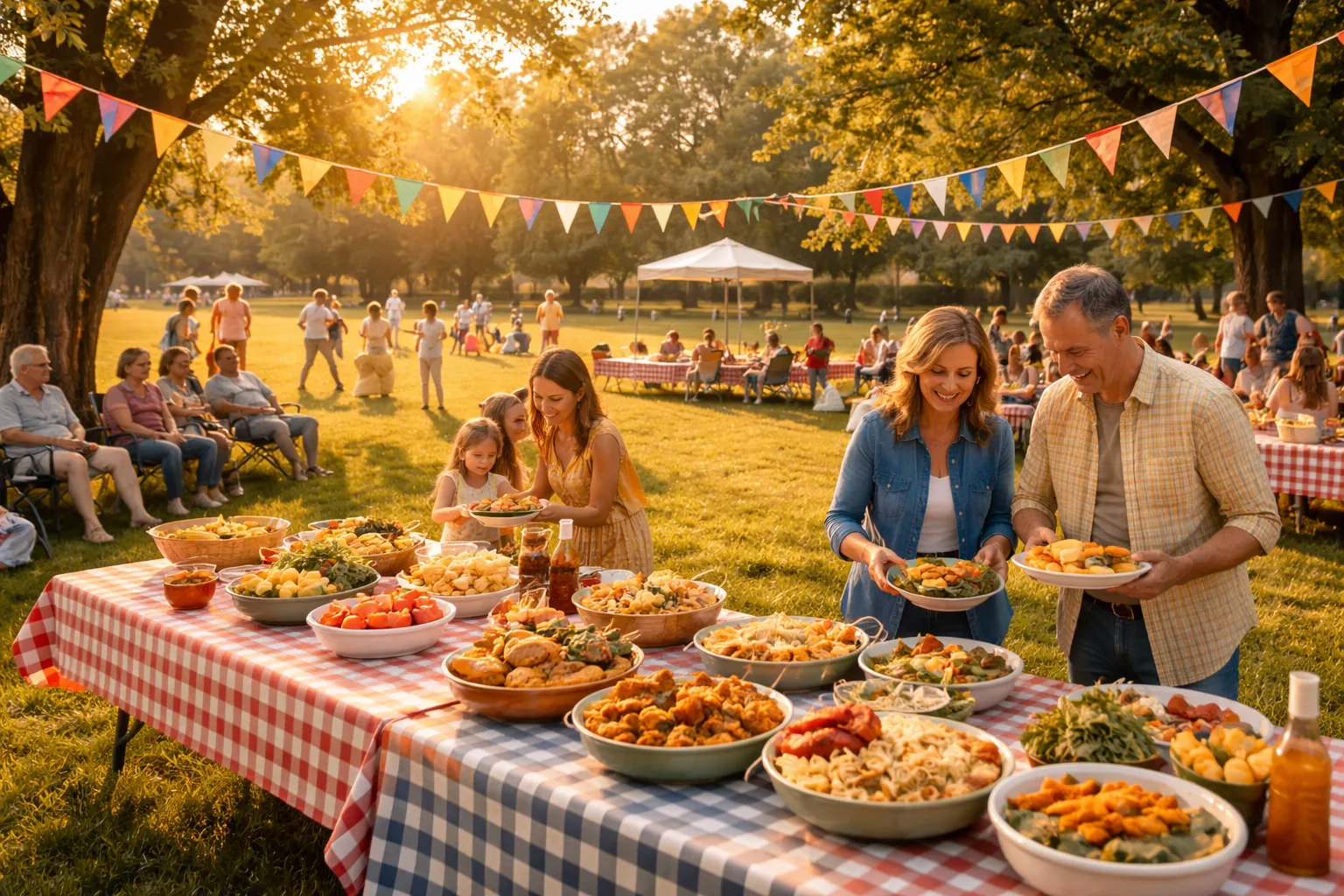
If you've ever coordinated a church picnic, you know this scene by heart. And yet, the summer church picnic is one of the most beloved traditions in any congregation — a rare chance for families to gather outside the pews, share food, and actually learn each other's last names. It deserves better than a chaotic clipboard and a prayer that the headcount is somewhere close to accurate.
This guide is here to help you plan a smooth, joyful summer church picnic — from locking down the logistics to managing sign-ups without losing your mind (or your Sunday mornings).
Step 1: Nail Down the Essentials Before You Announce Anything
The number one mistake church picnic organizers make is announcing the event before the details are confirmed. Once you tell the congregation, the questions start — and if you don't have answers, you're creating chaos before the planning even begins.
Before you say a word from the pulpit or post anything in the bulletin, confirm these four things:
- Date and time: Choose a Saturday or Sunday afternoon in June or July. Check for conflicts with other church events, local holidays, or school graduations.
- Location: A church lawn, local park, or rented pavilion all work well. If you need a permit for a public park, apply at least 4–6 weeks in advance.
- Budget: Get a rough figure approved by your church leadership. Know what the church will cover versus what attendees might contribute (potluck dishes, for example).
- Volunteer leads: Identify at least three people who will own specific areas — food coordination, activities/games, and setup/cleanup.
Once those four pillars are in place, you're ready to announce — and actually answer the questions that follow.
Step 2: Build a Sign-Up System That Works While You Sleep
Here's the honest truth: paper sign-up sheets belong in 1987. They get lost, they're illegible, and they give you zero real-time visibility into your headcount. For a church picnic with 50, 100, or 200+ attendees, you need a digital sign-up system that collects the right information automatically.
This is where tools like RSVPlinks become a genuine lifesaver. Instead of chasing people down after service, you create a simple event page with your picnic details — date, time, location, what to bring — and share the link in your church bulletin, email newsletter, Facebook group, and even from the pulpit. Guests click the link, fill in their name, how many people are coming in their family, and whether they're bringing a dish. You see all of it in one place, updated in real time.
Here's a real-world example: Grace Community Church in Ohio used a digital RSVP link for their annual picnic and went from 'we think about 80 people are coming' to knowing exactly 112 confirmed guests, broken down by family size, with 34 dish sign-ups — all before the week of the event. No clipboard. No dinosaur drawings. No guessing.
When building your sign-up form, collect these specific details:
- Full name and contact info (for follow-up reminders)
- Number of adults and children attending
- Dish contribution (appetizer, side, dessert, drinks) — use a dropdown to prevent 14 potato salads
- Any dietary restrictions or allergies
- Whether they need accessibility accommodations
Step 3: Organize the Food So It's Actually Balanced
The potluck is a church picnic institution, but without coordination, you end up with a table of 11 pasta salads and zero desserts. (It's happened. More than once.) The solution is a structured contribution system built right into your sign-up.
Divide contributions into clear categories with caps:
- Main dishes: Limit to 4–5 slots (grilled items the church provides, plus 2–3 hearty casseroles or mains)
- Sides: 8–10 slots — salads, corn, baked beans, etc.
- Desserts: 6–8 slots — pies, brownies, fruit dishes
- Drinks/beverages: 4–5 slots — lemonade, iced tea, water jugs
When a category fills up, close it. Your digital sign-up tool should handle this automatically, redirecting people to open categories. This one change alone will transform your picnic spread from accidental carb overload to a genuinely balanced feast.
Also designate a Food Coordinator — one person who monitors the sign-up list and personally reaches out to anyone who hasn't selected a dish. A simple text that says 'Hey Margaret, we still need desserts — would you be able to bring something sweet?' goes a long way.
Step 4: Plan Activities That Include Every Age Group
A church picnic lives or dies by its activities. If the kids are bored, parents leave early. If there's nothing for seniors to do, they feel like an afterthought. Aim for a program that has something happening for every generation simultaneously.
For kids (ages 4–12): Sack races, water balloon toss, a scavenger hunt, or a simple craft station. Assign two youth group volunteers to run this zone all afternoon.
For teens: Volleyball, cornhole tournament, or a friendly team trivia game with church history questions. Give them ownership — ask the youth group to plan and run one activity themselves.
For adults: Lawn games like horseshoes, bocce ball, or a low-key relay race. A 'church trivia' game where teams answer questions about congregation history is always a crowd-pleaser.
For seniors: Comfortable seating in the shade, a designated conversation area, and involvement in judging contests (pie judging, anyone?) so they feel honored and included rather than sidelined.
Build a loose schedule — not a rigid itinerary, but a general flow. Something like: 12:00 PM arrival and setup, 12:30 PM blessing and lunch, 2:00 PM games and activities, 3:30 PM dessert and awards, 4:00 PM cleanup. Share this in your event communications so families can plan accordingly.
Step 5: Communicate Clearly — Before, During, and After
Poor communication is the silent killer of church events. People forget. Life gets busy. The picnic that felt certain in June feels optional by the time July arrives. Build a simple three-touch communication plan:
- Announcement (4–5 weeks out): Introduce the event, share the RSVP link, and build excitement. Include a fun detail — 'This year we're adding a pie-eating contest!'
- Reminder (1 week out): Send a reminder to everyone who signed up confirming details, and a separate nudge to anyone who hasn't RSVPed yet. RSVPlinks makes it easy to send targeted reminders directly from your guest list.
- Day-before message: A short, warm note to confirmed guests — 'We can't wait to see you tomorrow! Don't forget your lawn chairs and sunscreen.' This dramatically reduces no-shows.
After the event, send a thank-you message within 48 hours. Thank volunteers by name. Share a few photos. Mention that you're already looking forward to next year. This simple gesture builds the kind of community loyalty that makes next year's sign-up sheet fill up even faster.
Your 3 Next Steps — Starting Today
You don't need to have everything figured out to start. Here's what you can do right now:
- Step 1: Block off 30 minutes this week to confirm your date, location, and budget with church leadership. Nothing else can move forward without these.
- Step 2: Set up a free digital RSVP page on RSVPlinks with your event details and a structured sign-up form. Share the link in your next church communication.
- Step 3: Recruit your three volunteer leads — food, activities, and logistics. Send them a message today. The sooner they're on board, the smoother everything else becomes.
A summer church picnic, done right, is more than a party — it's a moment where your congregation becomes a true community. With the right planning process and the right tools, you can spend less time chasing headcounts and more time actually enjoying the day alongside the people you serve.