How to Host a Summer Solstice Bonfire Party and Manage Guest RSVPs Effortlessly
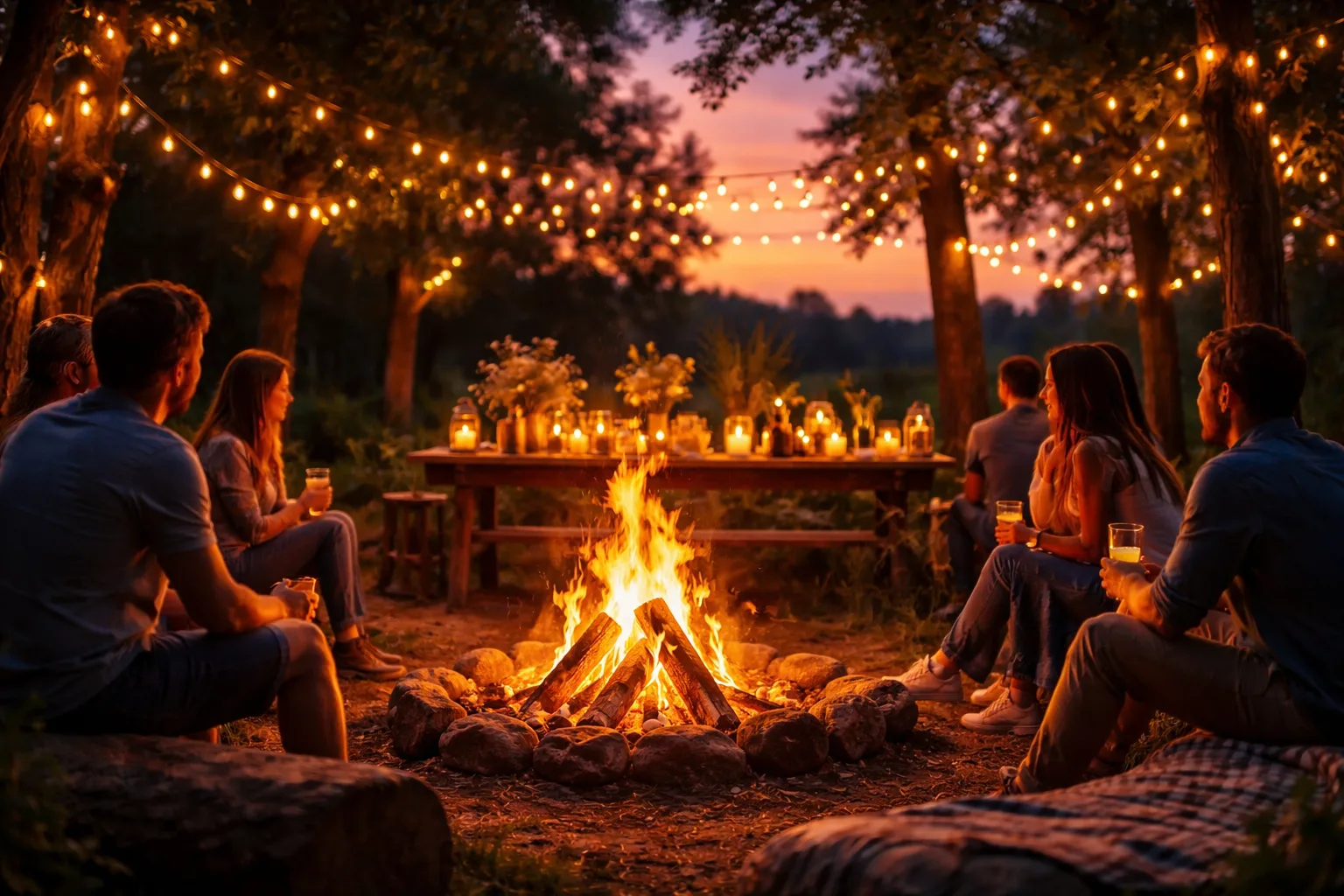
The Longest Night of the Year Deserves Better Than a Chaotic Guest List
Picture this: It's two days before the summer solstice. You've stacked the firewood, strung the fairy lights, marinated the skewers, and ordered enough s'mores supplies to feed a small village. Then your phone buzzes. "Hey, can I bring my cousin? She's in town." Then another: "Actually, we might not make it — can I let you know the day of?" And another: "Wait, is this the 20th or the 21st?"
Suddenly, your dreamy midsummer gathering feels less like a magical celebration of the year's longest day and more like a logistical nightmare. You have no idea how many people are actually coming, whether you have enough seating, or if you need to buy more food. Sound familiar?
Hosting a summer solstice bonfire party is one of the most rewarding things you can do in June — but only if you get the guest management right from the start. Here's exactly how to pull it off without the chaos.
Why the Summer Solstice Is the Perfect Party Occasion
The summer solstice — falling around June 20–21 in the Northern Hemisphere — is the longest day of the year. Cultures around the world have celebrated it for thousands of years with fire, feasting, and community. It's a natural anchor for a gathering: the date is fixed, the theme writes itself, and the warm evening air practically begs for an outdoor bonfire.
But unlike a birthday or holiday party, the solstice is a slightly unconventional occasion. That means guests may not immediately understand the vibe, the timing, or even why you're celebrating. A well-crafted invitation sets the tone and gets everyone excited before they even arrive.
Step 1: Lock Down Your Guest List Early — and Be Intentional
Before you send a single invitation, decide on your capacity. A bonfire party has natural limits: fire safety guidelines, seating around the fire pit, and the size of your outdoor space all dictate how many people you can comfortably host.
- Small and intimate (10–20 guests): Perfect for close friends and family. You can do a seated dinner followed by bonfire time.
- Medium gathering (20–40 guests): Great for a neighborhood or community feel. Plan for standing/mingling space and multiple fire zones.
- Large celebration (40+ guests): Requires more planning — portable toilets, parking logistics, and a clear event layout become essential.
Once you know your cap, build your list and stick to it. The "can I bring my cousin?" problem starts when there's no clear headcount expectation. When you send your invitations, include a note like: "We have limited space around the fire — please RSVP by June 10 so we can plan accordingly." This sets a boundary without sounding unwelcoming.
Step 2: Send Invitations That Actually Get RSVPs
Here's the uncomfortable truth: most people don't RSVP to casual party invitations. They mean to, they forget, and then they either show up or they don't. For a bonfire party where you need to plan food, seating, and fire safety, that's a real problem.
The solution is a combination of a compelling invitation and a frictionless RSVP process.
Make the Invitation Do the Heavy Lifting
Your invitation should communicate three things instantly: the vibe, the details, and the urgency to respond. For a summer solstice bonfire, lean into the magic of the occasion. Use language like:
- "Join us as we celebrate the longest day of the year around the fire."
- "Midsummer Night Bonfire — bring your favorite campfire story and your appetite."
- "We're welcoming summer the old-fashioned way: fire, food, and good company."
Include the key details: date, start time, end time (important for a late-night event), address, parking notes, and what to bring or wear. Telling guests to bring a blanket or wear layers for the evening chill shows you've thought it through — and it builds excitement.
Use a Digital RSVP Platform
Paper invitations are charming, but they make RSVP tracking a nightmare. A platform like RSVPlinks lets you create a beautiful digital invitation, share it via a single link, and track responses in real time — all in one place. Guests can RSVP in seconds from their phone, and you get instant visibility into your headcount without chasing anyone down. You can even send automated reminders to guests who haven't responded yet, which alone is worth its weight in s'mores.
Step 3: Plan the Party Around a Clear Timeline
A summer solstice bonfire has a natural arc. Use it to your advantage.
- 6:00 PM — Arrival & Golden Hour: Guests arrive during the long summer evening. Set up lawn games, a drinks station, and light appetizers. The sun is still up, so the mood is relaxed and social.
- 7:30 PM — Dinner Around the Fire: Light the bonfire as the sun begins to set. Serve grilled food, skewers, or a buffet-style spread. The fire becomes the centerpiece as daylight fades.
- 9:00 PM — Solstice Sunset: In many regions, the sun sets around 9 PM on the solstice. Mark the moment — a toast, a group photo, or a simple acknowledgment makes the event feel intentional and memorable.
- 9:30 PM — Bonfire Activities: S'mores, storytelling, music, or a fire-jumping tradition (safely, with adult supervision). This is the heart of the evening.
- 11:00 PM — Wind Down: Let the fire die down naturally. Have a clear end time so guests know what to expect and you're not managing stragglers at 1 AM.
Step 4: Nail the Food and Drink Planning — Based on Actual RSVPs
Here's where accurate RSVP numbers pay off directly. Bonfire food is inherently communal and quantity-dependent. Underestimate and you run out of hot dogs at 8 PM. Overestimate and you're eating leftover potato salad for a week.
Once your RSVPs are confirmed, use this simple framework:
- Proteins: Plan for 2–3 skewers or sausages per person, plus one backup protein option.
- Sides: Two substantial sides (corn on the cob, pasta salad, coleslaw) for every 10 guests.
- S'mores: Budget 3–4 s'mores per person. People always want more than you think.
- Drinks: Two drinks per person per hour for the first two hours, then one per hour after that. Have plenty of non-alcoholic options.
When collecting RSVPs, ask one simple follow-up question: "Any dietary restrictions or allergies?" RSVPlinks lets you add custom questions to your RSVP form, so you can collect this information automatically without a separate email chain.
Step 5: Handle the Day-Of Logistics Like a Pro
Even with perfect planning, the day of the party brings surprises. Here's how to stay ahead:
Send a Day-Before Reminder
A quick reminder the day before — with the address, parking info, and a weather update — reduces no-shows and last-minute confusion significantly. If you used RSVPlinks, you can send this directly through the platform to all confirmed guests in one click.
Prepare for the "Day-Of Maybes"
Some guests will RSVP yes and not show. Others will RSVP no and appear anyway. Build a 10–15% buffer into your food and seating planning. If you expected 30 guests, prepare for 27–33.
Fire Safety First
This is non-negotiable. Check local fire ordinances before the event. Have a garden hose or bucket of sand nearby. Keep the fire at a manageable size — a roaring bonfire is impressive, but a controlled one is safer and just as magical. Designate a responsible adult as the fire monitor for the evening.
Step 6: Create a Memorable Solstice Moment
The best parties have a moment — something guests talk about afterward. For a solstice celebration, this doesn't need to be elaborate. Consider:
- A group toast at sunset with a short, heartfelt acknowledgment of the season
- Wish lanterns or written intentions — guests write something they want to release or invite into their life and burn it safely in the fire
- A solstice playlist that transitions from upbeat golden-hour music to something more atmospheric as night falls
- A communal s'mores bar with unexpected toppings (Nutella, sea salt caramel, fresh strawberries) that becomes a talking point
These small touches cost almost nothing but transform a backyard gathering into an experience people remember for years.
Your Three Next Steps — Starting Today
You don't need to wait until June to start planning. Here's what to do right now:
- Set your date and capacity. Confirm June 20 or 21, decide on your guest cap, and block the date on your calendar today.
- Build and send your invitations. Head to RSVPlinks, create your solstice bonfire invitation with a custom RSVP form (include a dietary restrictions question), and send it out at least three weeks in advance. The earlier you send, the better your RSVP rate.
- Create your planning checklist. Use your confirmed RSVP count to finalize food quantities, seating arrangements, and fire setup. Revisit the list one week out and again the day before.
The summer solstice only comes once a year. With the right planning and the right tools, your bonfire party can be the event everyone looks forward to every June — the one they clear their calendar for without hesitation. Start planning now, and let the longest day of the year be your best celebration yet.