How to Plan a Labor Day Backyard Bash That Every Guest on Your Street Will Love
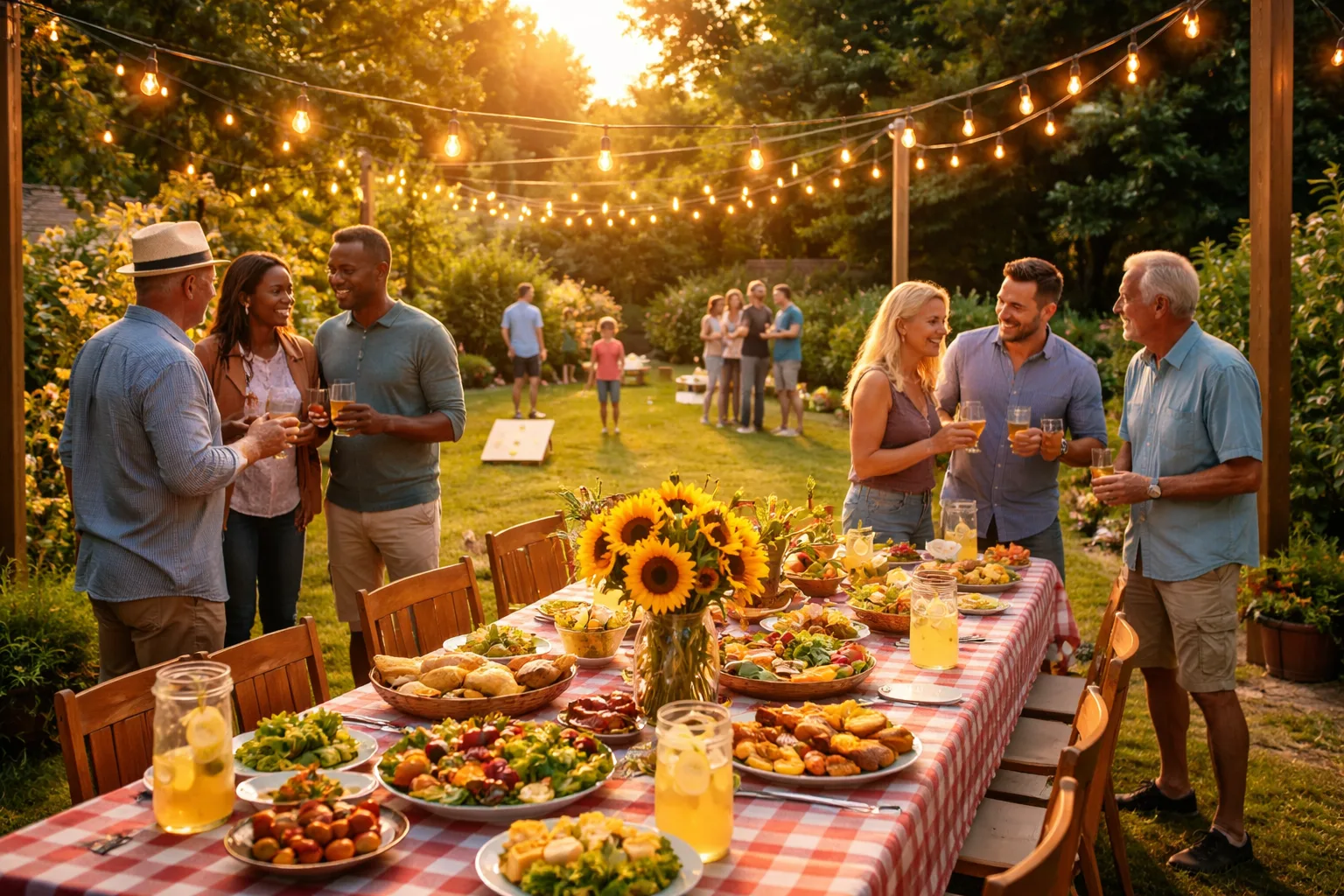
The Last Hurrah of Summer — And Why It Always Feels Like a Scramble
Picture this: It's the Friday before Labor Day weekend. You've been casually telling neighbors for weeks that you're 'thinking about doing something' in the backyard. Now your inbox has three texts asking 'So are we doing this or what?' and you have zero food planned, no idea how many people are coming, and a folding table that's been sitting in the garage since the Fourth of July. Sound familiar?
Labor Day is one of the most beloved backyard gathering holidays of the year — and also one of the most underplanned. Unlike Fourth of July, which has fireworks to anchor the evening, or Memorial Day, which kicks off summer with pure excitement, Labor Day sits at an awkward emotional crossroads: people want to celebrate, but they're also quietly mourning the end of summer. That emotional tension is actually your secret weapon as a host. Done right, a Labor Day backyard bash can become the most memorable block party of the year — the one people talk about all the way through October.
Here's how to pull it off without losing your mind.
Step 1: Lock Down Your Guest List and Get Actual RSVPs
The number one reason Labor Day parties spiral into chaos is simple: hosts have no idea how many people are showing up. 'Oh, just come by whenever' sounds relaxed and friendly, but it's a logistical nightmare. You end up either buying food for 40 people when 15 show up, or running out of burgers because 35 people arrived and you planned for 20.
Start by deciding your scope. Is this an intimate block gathering of 15–20 neighbors? A full street blowout with 50+ guests? Your food, space, and activity planning all hinge on this number.
Once you have your list, send a proper digital invitation with an RSVP deadline — at least 5 days before the event. A platform like RSVPlinks makes this effortless: you create a custom event page, share the link via text or email, and watch responses roll in with a real headcount. No more 'I think about 20 people are coming... maybe?' You'll know exactly who's coming, and you can send automatic reminders to guests who haven't responded.
Pro tip: In your invitation, ask one simple question beyond the RSVP — 'Are you bringing a dish to share?' This single question can transform your party from a solo catering operation into a neighborhood potluck with almost no extra effort from you.
Step 2: Design a Theme That Feels Festive, Not Cheesy
A theme doesn't mean everyone has to wear costumes. It means your party has a visual and experiential identity that makes it feel intentional and special — not just 'some people standing in a yard.'
Here are three Labor Day themes that work beautifully for backyard gatherings:
- End-of-Summer Cookout Classic: Red, white, and blue meets golden-hour vibes. String lights, checkered tablecloths, mason jar lemonade stations, and a playlist of summer anthems. Simple, timeless, crowd-pleasing.
- Harvest Transition: Lean into the seasonal shift with deep oranges, sunflowers, and late-summer produce. A corn-on-the-cob bar and a s'mores station around a fire pit make this feel warm and nostalgic.
- Neighborhood Block Party Olympics: Set up a rotation of lawn games — cornhole, bocce, ladder toss, a water balloon toss for the kids — and keep a running scoreboard. Award silly trophies at the end. This theme practically runs itself once the games are set up.
Choose one and commit. Even small decorative choices — a consistent color palette, matching napkins, a chalkboard sign at the entrance — signal to guests that this was planned with care.
Step 3: Build a Food and Drink Plan That Scales
Here's the math most backyard hosts get wrong: they plan for exactly the number of RSVPs they received and forget that people bring extra guests, kids eat more than expected, and food disappears faster in outdoor heat. Always plan for 20% more than your confirmed headcount.
For a party of 30 confirmed guests, plan food for 36. For 50 guests, plan for 60.
The winning Labor Day food formula:
- One hero protein: Burgers, hot dogs, or smoked brisket. Pick one and do it exceptionally well rather than trying to offer everything.
- Two crowd-pleasing sides: Corn on the cob and a pasta or potato salad. These are inexpensive, scale easily, and almost everyone eats them.
- One shareable appetizer: A chips-and-dip station or a watermelon platter keeps guests happy while the grill is heating up.
- One signature drink: A big batch cocktail or mocktail in a drink dispenser. Sangria, spiked lemonade, or a hibiscus iced tea all work beautifully and reduce the bar complexity enormously.
Real-world scenario: Last Labor Day, Sarah from Denver tried to offer burgers, hot dogs, chicken skewers, AND a taco bar for her 40-person party. She spent $600 on food, stood at the grill for four hours, and barely talked to any of her guests. The following year, she did smoked brisket only, two sides, and a big batch margarita station. She spent $280, sat down for most of the party, and guests called it the best backyard party they'd been to all summer.
Step 4: Plan for Kids Without Making It a Children's Party
If your neighborhood has families with kids — and most do — ignoring the under-12 crowd is a mistake. Bored kids become a distraction that pulls parents away from adult conversation and enjoyment.
You don't need to hire an entertainer. You need two or three self-running activities:
- A designated kids' zone with sidewalk chalk and bubbles
- A lawn game that kids and adults can play together (cornhole is perfect)
- A craft station — 'decorate your own Labor Day flag' takes 10 minutes to set up and keeps kids occupied for an hour
When kids are entertained, parents relax. When parents relax, your party becomes the kind of gathering people actually want to stay at until 9 PM.
Step 5: Create a Timeline That Keeps Energy High
Unstructured parties often hit a wall around the 90-minute mark. Guests have eaten, they've caught up on small talk, and now they're not sure what to do next. A loose event arc prevents this energy dip.
Here's a simple 4-hour Labor Day party timeline:
- Hour 1 (Arrival): Guests arrive, grab drinks, snack on appetizers. Lawn games are already set up and available. Music is playing at conversation volume.
- Hour 2 (Main Event): Food is served. This is the social peak — encourage people to grab plates and sit together at communal tables rather than standing in isolated clusters.
- Hour 3 (Activities): Organized lawn game tournament kicks off, or you announce a group activity. This re-energizes the crowd after eating.
- Hour 4 (Wind Down): S'mores station opens, music gets a little more mellow, kids start winding down. Natural, graceful ending.
Step 6: Handle the Logistics That Kill Parties
The details that hosts overlook are the ones that quietly ruin guest experience:
- Shade: Labor Day is still hot. Rent or borrow pop-up canopies if your yard doesn't have natural shade. Guests who are overheating leave early.
- Seating: The golden rule is one seat per guest. Borrow folding chairs from neighbors if needed — most people are happy to contribute.
- Bug control: Set out citronella candles and mosquito coils 30 minutes before guests arrive. Nothing ends an outdoor party faster than a swarm of mosquitoes at dusk.
- Parking: If you're inviting the whole street, give a heads-up in your invitation about where guests should park. A simple note in your RSVPlinks event page saves a lot of confusion.
Your Labor Day Party Starts With a Plan — And a Headcount
The difference between a Labor Day party that people remember fondly and one that feels chaotic and exhausting comes down to one thing: preparation. And preparation starts with knowing who's coming.
Before you buy a single hot dog bun or string a single light, send your invitations and get your RSVPs locked in. Use RSVPlinks to create a beautiful event page in minutes, share it with your neighbors, and get real responses you can actually plan around. Then build your food, seating, and activity plan from that solid foundation.
Summer's last great party deserves to be planned like it matters — because it does.
3 Things You Can Do Today
- 1. Set your guest list and create your event invitation — Decide on your scope (intimate or block-wide), draft your guest list, and send digital invitations with a clear RSVP deadline of at least 5 days before the event.
- 2. Choose your theme and one hero food item — Commit to a visual theme and pick the one main dish you'll do exceptionally well. Everything else builds around those two decisions.
- 3. Map out your party timeline — Write down a simple 4-hour arc with arrival, food, activity, and wind-down phases. Share it with anyone helping you host so everyone knows the plan.