How to Plan a Columbus Day Weekend Family Reunion That Everyone Will Actually Show Up To
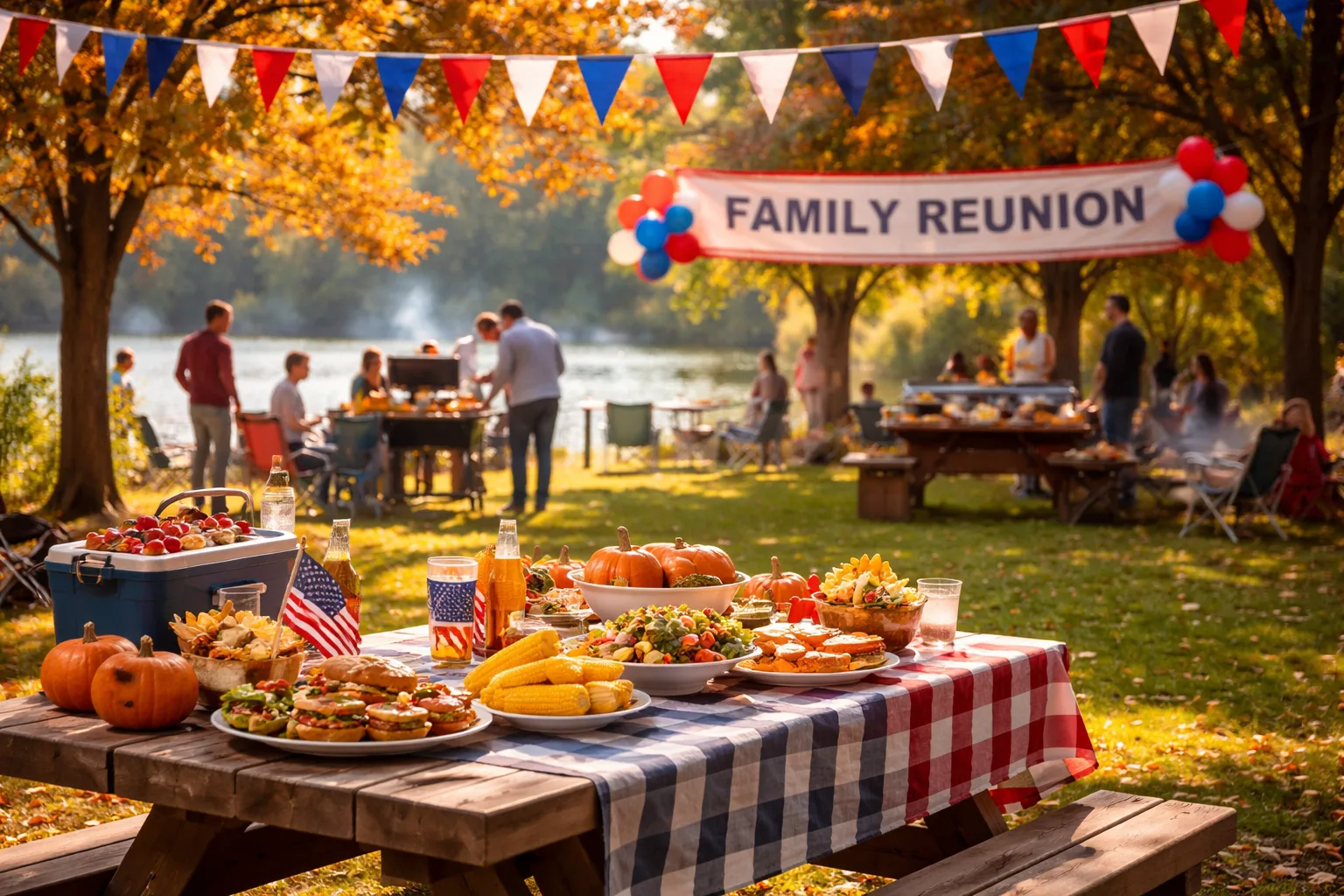
The Long Weekend That Always Slips Away — And How to Finally Make It Count
You've been here before. It's mid-August, you're texting your cousins about Columbus Day weekend — that glorious three-day window in October — and the replies trickle in like slow molasses. "Maybe." "Depends on the kids' soccer schedule." "Send me the details and I'll check with my husband." By the time you actually nail down a location, half the family has made other plans, and you're left hosting a gathering of six people instead of sixty. Sound familiar?
Planning a Columbus Day weekend family reunion sounds simple on paper: it's a built-in long weekend, the weather is usually gorgeous in October, and everyone claims they want to see each other more. But the gap between "we should all get together" and "we're actually all together" is wider than most families realize — and it's almost always a logistics problem, not a love problem.
This guide will walk you through exactly how to plan a Columbus Day weekend family reunion that people will commit to, show up for, and talk about for years. No vague advice. No wishful thinking. Just a step-by-step plan that works.
Step 1: Lock In the Date — And Announce It Early
Columbus Day weekend (the second Monday in October) gives you a natural anchor: most people already have Monday off. But "Columbus Day weekend" is not a plan — it's a window. You need to pick specific dates and announce them at least 10–12 weeks in advance.
Why so early? Because families with school-age children often have fall sports tournaments, school fundraisers, and Halloween prep filling up October fast. If you announce in late September, you've already lost half your potential attendees.
Action: Send a "Save the Date" message by mid-July at the latest. A simple group text works, but a dedicated RSVP page works far better — more on that in a moment.
Step 2: Choose a Location That Minimizes Excuses
The location is where most family reunions go sideways. Either it's too far for the West Coast cousins, too expensive for the young families, or too inconvenient for Grandma. Here's how to pick smart:
- Find the geographic center. If your family is spread across three states, pick a city roughly equidistant. A two-hour drive beats a five-hour drive for attendance rates every time.
- Consider a state or regional park. October foliage is stunning across much of the U.S., and many parks have pavilion rentals that accommodate large groups affordably. Think Shenandoah, Hocking Hills, or the Catskills.
- Have a rain backup. October weather is unpredictable. Book a venue with indoor space or have a clear Plan B. Nothing kills momentum like a rained-out reunion with no contingency.
- Think about lodging clusters. If people are traveling, recommend a block of rooms at a nearby hotel or a cluster of Airbnbs. Families who stay together are far more likely to actually attend — and stay longer.
Example: The Kowalski family, spread across Ohio, Pennsylvania, and New York, picked a state park lodge in western Pennsylvania two years running. Drive time was under three hours for everyone, the lodge had indoor dining and outdoor fire pits, and they've doubled their attendance each year.
Step 3: Make RSVPing Stupidly Easy
This is the step most families skip — and it's the one that costs them the most attendees. If your RSVP process is "just text me if you're coming," you will get vague non-answers for weeks and no accurate headcount until the day before.
Instead, create a dedicated RSVP link that family members can click, fill out in 60 seconds, and share with their own households. With a tool like RSVPlinks, you can set up a free event page that collects names, headcounts, dietary needs, and even a "coming from" field so you can see the geographic spread of your attendees. Share the link in your family group chat, email it to the older relatives, and post it in your family Facebook group.
The key psychological principle here: friction kills commitment. Every extra step between "I want to come" and "I've confirmed I'm coming" is a chance for someone to get distracted and never follow through. A single-click RSVP link removes that friction entirely.
You can browse family reunion RSVP examples to see how other families have set up their event pages — complete with photo, event details, and a clean RSVP form.
Step 4: Build a Program That Gives People a Reason to Come
"Come hang out" is not a compelling event. "Come for the chili cook-off, the family trivia tournament, and the bonfire" is. People — especially those with young kids or long drives — need to feel the event is worth the effort.
Here's a sample Columbus Day weekend reunion program that works for multigenerational families:
- Saturday afternoon: Arrival, lawn games (cornhole, bocce, ladder toss), casual welcome dinner
- Saturday evening: Bonfire, s'mores, family storytelling or a "where are you now" update round
- Sunday morning: Group hike or nature walk (October foliage is unbeatable), followed by brunch
- Sunday afternoon: Family Olympics — relay races, tug of war, a kids vs. adults trivia round
- Sunday evening: Potluck dinner with assigned dishes by family branch (more on this below)
- Monday morning: Casual farewell breakfast before the drive home
The structured activities serve a second purpose: they give shy or estranged family members a natural way to re-engage without awkward one-on-one pressure. Games and group activities are social lubricant.
Step 5: Assign Roles, Not Just Tasks
The fastest way to burn out the one person who always organizes everything (probably you, since you're reading this) is to try to do it all yourself. Instead of asking for volunteers — which produces crickets — assign specific roles to specific people.
- Food Coordinator: Manages the potluck sign-up and dietary accommodations
- Activities Director: Plans and runs the games and structured events
- Communications Lead: Sends reminder messages, manages the RSVP list, answers questions
- Photography Lead: Designated family photographer for the weekend
- Kid Wrangler: Keeps the children engaged during adult conversation time
Example: Tell your cousin Marcus, "Hey, you're in charge of the Saturday night bonfire and activities — you've got a $50 budget and full creative control." Marcus will almost certainly show up, and he'll probably bring better ideas than you would have planned anyway.
Step 6: Use a Potluck Strategy That Actually Works
"Everyone bring a dish" is chaos. "Every family branch brings a dish from their region or heritage" is a conversation starter and a meal. Assign the Midwest cousins a hot dish, the Southern branch a dessert, the Pacific Northwest family a salad or fruit dish. It creates variety, distributes the work, and gives people something to be proud of.
Collect dietary restrictions in your RSVP form so you know in advance if you need vegetarian, gluten-free, or nut-free options. This is another reason a structured RSVP page beats a group text — you can build the question right into the form.
Step 7: Send Reminders That Feel Like Excitement, Not Nagging
After your initial save-the-date, send three more touchpoints:
- 6 weeks out: "Here's what we have planned — you don't want to miss this" with the full program and RSVP link
- 3 weeks out: "RSVP deadline is [date] — we need headcounts for food!" with a gentle urgency nudge
- 1 week out: "We're almost there! Here's your packing list, directions, and the weekend schedule."
Frame every message as excitement, not obligation. "We can't wait to see you" lands differently than "Please let us know if you're coming."
Frequently Asked Questions
How far in advance should I plan a Columbus Day weekend family reunion?
You should start planning your Columbus Day weekend family reunion at least 10–12 weeks in advance, which means beginning in mid-to-late July. This gives family members enough time to request time off, arrange childcare, and make travel plans before their October calendars fill up with fall activities.
What is a good location for a fall family reunion?
A state or regional park with pavilion rentals is one of the best options for a fall family reunion — October foliage is beautiful, outdoor space is plentiful, and costs are typically low. Look for locations within a two-to-three-hour drive of the majority of your attendees, and always confirm there is indoor backup space in case of rain.
How do I get family members to actually RSVP?
The best way to get family members to RSVP is to make the process as easy as possible — ideally a single link they can click and complete in under a minute. Tools like RSVPlinks let you create a free event page with a built-in RSVP form, which you can share via text, email, or social media. Set a clear RSVP deadline and send a reminder two to three weeks before it.
What activities work best for multigenerational family reunions?
The best activities for multigenerational family reunions combine low-intensity options for older relatives with high-energy options for kids, plus group activities that bring everyone together. Lawn games like cornhole and bocce, group hikes on easy trails, family trivia, and potluck dinners with assigned dishes all work well. Structured activities also help estranged or shy family members reconnect naturally.
How do I handle family members who say "maybe" and never commit?
Set a firm RSVP deadline and communicate it clearly — "We need headcounts by September 20th for food and lodging planning." Give "maybe" respondents one personal follow-up call or text, because direct outreach converts far better than group reminders. After your deadline, finalize your plans based on confirmed attendees and let the maybes know they're welcome to join if space allows.