How to Plan a Halloween Kids' Trunk-or-Treat Community Event That Families Will Love Attending
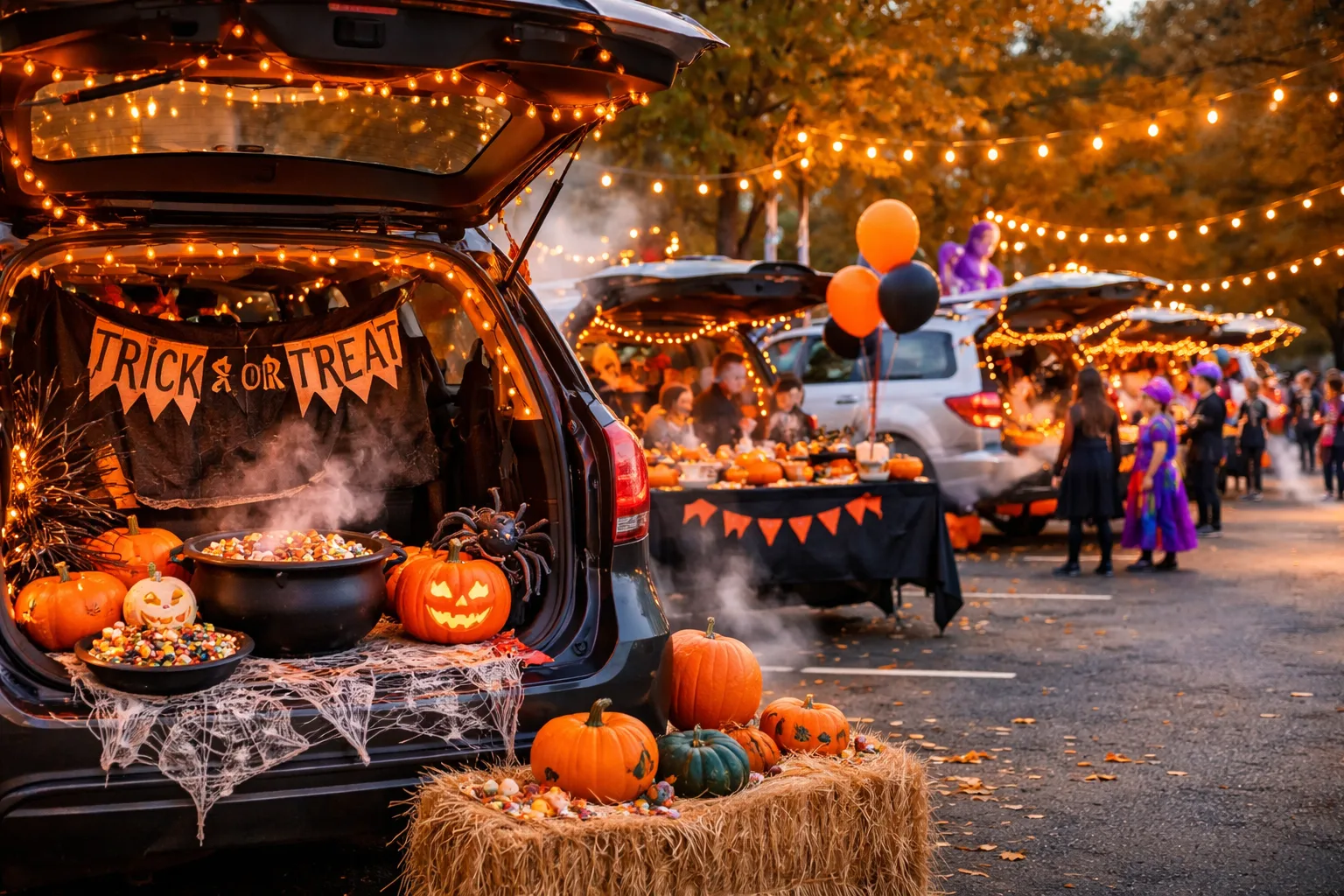
The Trunk-or-Treat Chaos Nobody Warns You About
You volunteered to organize the neighborhood trunk-or-treat. You had visions of adorable kids in costumes, decorated car trunks dripping with Halloween magic, and parents sipping warm cider while toddlers waddled between candy stations. Fast forward to three days before the event: you have no idea how many families are actually coming, six people said they'd decorate a trunk but only two confirmed, and someone just texted asking if there's a nut-free candy rule. Your group chat is a disaster. You're drowning in a sea of "maybe" RSVPs and zero reliable headcount.
Sound familiar? Planning a kids' trunk-or-treat community event is one of those deceptively big jobs that looks simple on the surface — until you're knee-deep in logistics, trying to coordinate dozens of families, volunteers, and candy donors with nothing but a group text and a prayer. This guide will walk you through exactly how to plan a trunk-or-treat event that runs smoothly, feels magical for kids, and has parents raving about it for years.
Step 1: Lock Down Your Venue and Date Early
The first decision that shapes everything else is where and when. Trunk-or-treats work best in large, flat, well-lit parking lots — think church parking lots, school grounds, community center lots, or even a blocked-off cul-de-sac. Aim for the weekend closest to October 31st, but check your local school and community calendars first. Nothing tanks attendance like accidentally scheduling against a rival event.
Concrete steps:
- Contact your venue at least 6–8 weeks out. Get written permission and confirm parking capacity.
- Choose a Saturday afternoon window — 4:00 PM to 7:00 PM is the sweet spot for young families. It's light enough at the start for toddlers, dark enough by the end for atmosphere.
- Have a rain contingency plan. Designate an indoor backup space or communicate a clear rain-or-shine policy upfront.
- Check local permit requirements. Some municipalities require a permit for public gatherings of 50+ people.
Step 2: Recruit Trunk Decorators the Right Way
The trunks ARE the event. Without decorated, candy-stocked trunks, you just have a parking lot. Most experienced organizers recommend one trunk for every 8–10 kids expected. So if you're anticipating 80 kids, you need at least 8–10 committed trunk participants.
Here's the mistake most first-timers make: they put out a general call on social media, get 20 enthusiastic "I'm in!" comments, and then 60% of those people ghost them by event day. Instead, treat trunk recruitment like a formal commitment process.
How to do it right:
- Create a dedicated sign-up form (not just a comment thread) where trunk participants register their name, theme, and estimated candy quantity. Create a free RSVP link for trunk volunteers separately from your family attendee registration — this gives you two clean lists and real accountability.
- Send a confirmation email or message to every trunk volunteer with a "Trunk Participant Guide" — parking instructions, setup time, candy minimums, and decoration tips.
- Follow up two weeks before, then again one week before. A simple "We're so excited for your [theme] trunk!" message reminds them they're expected and makes them feel valued.
- Have 2–3 backup trunks on standby. Recruit a couple of enthusiastic families who are willing to step up if someone cancels last minute.
Popular trunk themes that consistently wow kids: haunted forest, candy factory, Harry Potter, pirates, glow-in-the-dark galaxy, Toy Story characters, and the classic graveyard. Share a theme list with volunteers to spark ideas and prevent duplicates.
Step 3: Get an Accurate Headcount with a Real RSVP System
This is where most community events fall apart. A Facebook event with 200 "Interested" clicks tells you absolutely nothing useful. You need actual numbers to plan candy quantities, parking flow, and any food or activity stations.
Set up a proper RSVP page — platforms like RSVPlinks let you collect names, number of children attending, ages, and any allergy or accessibility notes, all in one place. Share the link everywhere: your neighborhood Facebook group, NextDoor, school newsletters, church bulletins, and flyers at local coffee shops.
What to collect in your RSVP:
- Family name and contact info
- Number of children and approximate ages (helps you plan activity stations appropriate for the age range)
- Allergy information (nut-free candy is increasingly expected at community events)
- Whether they're attending as a trunk participant or a trick-or-treating family
Set your RSVP deadline at least one week before the event. This gives you time to confirm trunk count, order enough supplies, and send out logistics details to confirmed attendees. You can browse Halloween party RSVP examples to see how other organizers have structured their event pages for inspiration.
Step 4: Plan the Layout Like a Pro
A chaotic layout kills the vibe fast. Kids running in front of moving cars, bottlenecks at the most popular trunks, no clear entrance or exit — these are all avoidable with 30 minutes of planning.
- Arrange trunks in a U-shape or two parallel rows so families flow in one direction. This prevents the crowd from bunching up and makes it easy for parents to keep track of kids.
- Put the most visually dramatic trunks at the entrance to create a wow moment right away.
- Designate a separate area for cars to park that is clearly distinct from the trunk display zone. Cones, rope, and clear signage go a long way.
- Create a central activity hub near the middle of the layout — a photo booth backdrop, a ring toss game, or a costume contest check-in table. This gives kids something to do if there's a line at a popular trunk.
- Set up a welcome table at the entrance with a check-in list (pulled from your RSVPs), event programs, and a candy allergy station for families who need nut-free alternatives.
Step 5: Add the Touches That Make It Memorable
Candy alone is table stakes. The events families talk about for years have a few extra elements that cost almost nothing but create big memories.
- Costume contest with age categories: Divide into toddler (0–3), little kids (4–7), big kids (8–12), and family costume group. Give out ribbon prizes — kids go absolutely wild for ribbons. Announce winners over a portable Bluetooth speaker.
- Spooky playlist: A Bluetooth speaker with a Halloween playlist (Monster Mash, Ghostbusters, This Is Halloween) sets the tone without requiring any additional budget.
- Glow accessories station: A basket of glow bracelets and necklaces at the entrance makes the event feel festive and also helps parents spot their kids in the dark as the evening progresses.
- Hot cocoa or cider station for adults: Parents will linger longer — and have a better time — if there's something warm for them. A slow cooker of apple cider costs about $10 and generates enormous goodwill.
- Photo moment: Set up a simple Halloween-themed photo backdrop (a black tablecloth with orange balloons works great). Families WILL use it, and when they post photos online, it's free marketing for next year's event.
Step 6: Communicate Clearly Before, During, and After
The week before the event, send a detailed logistics email to everyone who RSVPed. Include: exact address, parking instructions, event timeline, costume contest details, and a reminder about the candy allergy policy. On event day, have a volunteer stationed at the entrance to welcome families and answer questions. After the event, send a thank-you message to both attendees and trunk participants — and include a save-the-date for next year while the memory is still warm.
For more ideas on how to structure your event communications and RSVP page, visit the RSVPlinks FAQ to see how the platform handles guest messaging and reminders automatically.
Your 3 Action Steps for Today
You don't need to do everything at once. Here's where to start right now:
- Book your venue this week. Even a quick email to your church, school, or HOA gets the ball rolling and locks in your date before someone else does.
- Set up your RSVP page today. The earlier you open RSVPs, the more data you have to plan with. A live RSVP link also signals to your community that this is a real, organized event worth attending.
- Send your trunk volunteer ask this week. Reach out personally to 5–10 families you know would make amazing trunk participants. Personal asks convert far better than public posts.
Frequently Asked Questions
How many trunks do I need for a kids' trunk-or-treat event?
Plan for one decorated trunk for every 8–10 children attending your event. If you expect 60 kids, aim to recruit at least 6–8 trunk participants, plus 1–2 backups in case of last-minute cancellations. Having too few trunks creates long lines and frustrated kids, so always err on the side of recruiting more volunteers than you think you need.
How do I collect RSVPs for a community trunk-or-treat event?
The most effective approach is to use a dedicated RSVP link rather than relying on social media comments or group chats. A platform like RSVPlinks lets you collect family names, number of children, ages, and allergy information in one organized place. Share your RSVP link in neighborhood Facebook groups, on NextDoor, in school newsletters, and on printed flyers at local businesses.
What is the best time to hold a trunk-or-treat for young kids?
A Saturday afternoon window from 4:00 PM to 7:00 PM works best for families with young children. Starting at 4:00 PM means it's still light outside for toddlers and nervous little ones, while the later hours provide the darker, spookier atmosphere older kids enjoy. Avoid starting too late — most families with children under 6 won't stay past 7:30 PM on a school-adjacent night.
How much candy should each trunk participant bring?
A good rule of thumb is 2–3 pieces of candy per child expected at the event, per trunk. If you're expecting 80 kids and have 10 trunks, each trunk should bring roughly 160–240 pieces of candy. Communicate this expectation clearly in your trunk volunteer guide so no one runs out halfway through the event.
Do I need a permit to host a trunk-or-treat in a parking lot?
Permit requirements vary by city and state, so check with your local municipality if your event will have 50 or more attendees. Many church and school parking lots are considered private property, which may exempt you from public gathering permits — but always verify with the venue and your local government. Getting written permission from the property owner is always a smart first step regardless of permit requirements.