How to Plan a Fall Fundraising Gala for Your Nonprofit and Manage Guest Lists Seamlessly
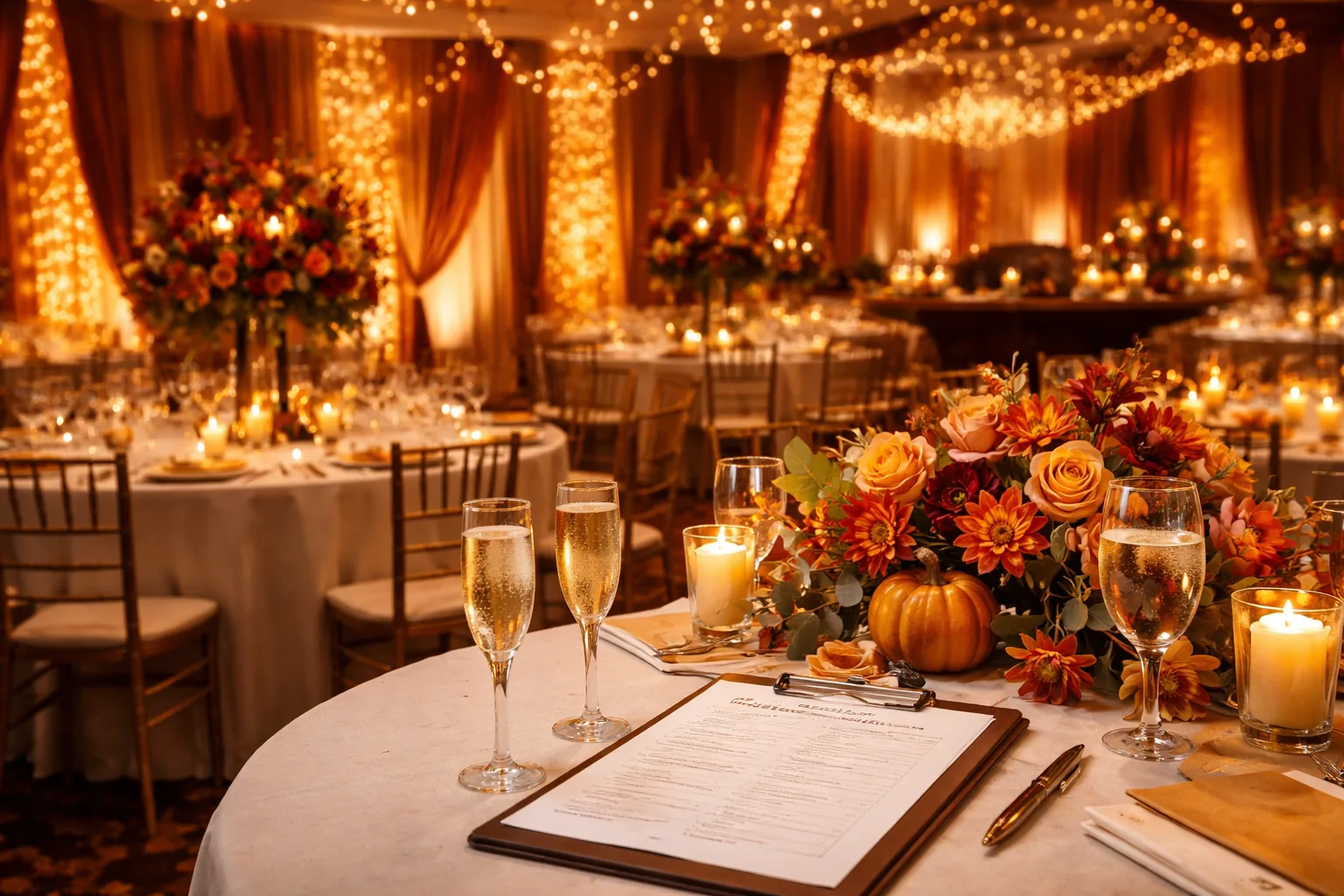
The Guest List Nightmare That Almost Tanked Our Gala
Picture this: It's two weeks before your nonprofit's biggest fundraising event of the year. You've booked the venue, confirmed the caterer, and lined up a keynote speaker who can move hearts — and wallets. Then your volunteer coordinator sends you a spreadsheet. It has 14 tabs. Three people have been editing it simultaneously. Half the RSVPs came in via email, a quarter through a paper sign-up sheet at last month's community meeting, and the rest trickled in through a Facebook event where half the "Going" clicks were from people who never actually planned to show up. You have no idea how many guests are actually coming. The caterer needs a final headcount in 48 hours.
If that scenario made your stomach drop, you're not alone. Managing guest lists for a fall fundraising gala is one of the most underestimated challenges nonprofit organizers face — and getting it wrong can cost you thousands in wasted catering, seating chaos, and donor relationships that take years to rebuild. This guide will walk you through every stage of planning your fall gala, with special attention to the guest management piece that so often falls apart.
Why Fall Is the Perfect Season for a Fundraising Gala
There's a reason so many nonprofits schedule their signature fundraising galas between September and November. The psychology of the season works in your favor: people are energized after summer, the holiday giving spirit is beginning to stir, and end-of-year tax deduction deadlines create a genuine urgency to donate. Venues are often more available than during the December holiday rush, and the aesthetic possibilities — warm amber lighting, rich jewel tones, harvest centerpieces — practically design themselves.
But the fall calendar is also crowded. School events, sports seasons, and competing nonprofit galas all fight for the same Saturday nights. That means your invitations need to go out early, your RSVP process needs to be frictionless, and your guest list management needs to be airtight from day one.
Step 1: Set Your Fundraising Goal Before You Plan Anything Else
Every decision you make — venue size, ticket pricing, catering budget, entertainment — flows from one number: your net fundraising goal. Before you book a single vendor, sit down with your board and answer these questions:
- What is the total amount you want to raise? Be specific. "A lot" is not a goal.
- What are your expected expenses? A gala that costs $30,000 to produce needs to raise significantly more than $30,000 to be worth it.
- What is your revenue mix? Ticket sales, table sponsorships, live auction, paddle raise, and silent auction each require different planning.
A useful benchmark: many successful nonprofit galas aim for a 3:1 or 4:1 return on event expenses. If your event costs $20,000 to produce, your goal should be $60,000–$80,000 raised. If those numbers don't pencil out with your donor base, scale the event down rather than hoping for a miracle on the night.
Step 2: Build Your Guest List Strategically — Not Just Broadly
The temptation is to invite everyone. Resist it. A gala room full of 300 people who have no connection to your mission will raise less money than a room of 150 deeply engaged donors, board members, corporate sponsors, and community champions. Quality of relationship matters far more than raw headcount.
Segment your invite list into tiers:
- Tier 1 — Major donors and board members: Personal outreach first. Phone calls before invitations.
- Tier 2 — Mid-level donors and corporate sponsors: Personalized letters or emails with early-bird access to table reservations.
- Tier 3 — General supporters, volunteers, and community allies: Broader invitation via email and social media.
This tiered approach also helps you manage your RSVP timeline. Tier 1 guests should confirm weeks before your general RSVP deadline, giving you a reliable base count early.
Step 3: Create a Centralized, Digital RSVP System
This is where most nonprofit galas stumble. When RSVPs come in through five different channels — email replies, phone calls, paper forms, social media comments, and text messages — you end up with the 14-tab spreadsheet nightmare described above. The fix is simple: use one centralized RSVP link and direct every guest to it.
Platforms like RSVPlinks let you create a free RSVP link for your gala in minutes, with a custom event page that captures guest names, contact information, meal preferences, and any other details you need — all in one place. Every response feeds into the same dashboard, so you always know your real headcount. No more reconciling spreadsheets at midnight.
For a real-world example: imagine a regional food bank planning their annual harvest gala. Instead of emailing their 400-person donor list and asking people to "reply to confirm," they create a single RSVP page, include the link in every communication, and watch confirmed responses populate in real time. When the caterer calls for the final count, the answer is one click away.
Browse example RSVP pages for nonprofit and organizational events to see how other organizations have structured their event pages for maximum clarity and response rates.
Step 4: Send Invitations in Waves, Not All at Once
Sending your entire invite list a single blast and waiting is a recipe for a slow, anxiety-inducing trickle of responses. Instead, use a wave strategy:
- Wave 1 (8–10 weeks out): Save-the-date to Tier 1 and Tier 2 guests. No RSVP required yet — just hold the date.
- Wave 2 (6 weeks out): Formal invitation with RSVP link to all tiers. Set an early-bird deadline for table reservations.
- Wave 3 (3 weeks out): Reminder to non-responders. Personalize where possible — "We haven't heard from you yet and would love to see you there."
- Wave 4 (1 week out): Final reminder. Urgency is appropriate here — "RSVPs close Friday."
This wave approach keeps your gala top-of-mind without feeling spammy, and it dramatically improves your final response rate compared to a single send.
Step 5: Plan the Gala Experience Around Your Donors' Journey
The most effective fundraising galas are engineered experiences, not just nice parties. Map out the evening from the moment a guest arrives to the moment they leave, and ask at each stage: how does this moment deepen connection and inspire giving?
- Arrival and cocktail hour: Silent auction opens, mission-focused displays or videos play, board members and staff work the room intentionally.
- Dinner: Seat donors strategically — mix board members with prospective major donors, not just friends with friends.
- Program: Keep it tight. One powerful beneficiary story, one compelling speaker, one clear ask. Galas lose momentum when the program runs long.
- Paddle raise or live auction: This is your peak revenue moment. Have your auctioneer or emcee build energy deliberately.
- Close: Thank donors publicly and specifically. Announce the night's total if possible — the energy in the room when a goal is hit is unforgettable.
Step 6: Manage Day-Of Logistics Without Losing Your Mind
With your guest list centralized in a digital RSVP system, day-of check-in becomes dramatically simpler. Print a single master list sorted alphabetically, or better yet, use a tablet or laptop to check guests in digitally as they arrive. Assign two or three volunteers specifically to the check-in table — this is not the place to cut corners on staffing.
Have a process for walk-ins. Some guests will show up without RSVPing. Decide in advance whether you have a walk-in capacity buffer and what the walk-in ticket price will be. Brief your check-in volunteers so they handle these situations gracefully, without making guests feel unwelcome.
If you have questions about setting up your event page or managing guest responses, the RSVPlinks FAQ covers common setup questions in plain language.
Step 7: Follow Up Fast — The 48-Hour Thank-You Rule
The gala doesn't end when the last guest leaves. Within 48 hours, send a personalized thank-you to every attendee. Reference the night's total raised if you announced it. For major donors, a handwritten note or personal phone call from the executive director is worth more than any email. For all donors, a tax receipt should follow within a week.
Donors who feel genuinely appreciated after an event give again. Donors who feel like a transaction do not.
Frequently Asked Questions
How far in advance should I start planning a nonprofit fundraising gala?
You should start planning a nonprofit fundraising gala at least 4–6 months in advance for a mid-sized event (150–300 guests). Venues, caterers, and keynote speakers book up quickly in the fall season, so securing these vendors early protects your date. For larger galas with 300+ guests or high-profile entertainment, 8–12 months of lead time is not unusual.
How do I manage RSVPs for a large fundraising event without a dedicated staff member?
The most efficient approach is to use a single digital RSVP platform so all responses are captured automatically in one place. Tools like RSVPlinks allow you to collect guest information, meal preferences, and headcounts without manually tracking emails or spreadsheets. Assign one volunteer to monitor responses weekly and send reminders to non-responders.
What is a realistic RSVP rate for a nonprofit gala invitation?
A realistic RSVP rate for a nonprofit gala invitation is typically 40–60% of people invited, though this varies widely based on your donor relationship strength and how easy you make it to respond. Warm, personally-connected donor lists tend to see higher response rates. Making your RSVP process simple and mobile-friendly — a single link rather than a form to print and mail — significantly improves response rates.
How do I handle table sponsorships in my RSVP system?
Table sponsors should be given a unique process: they purchase a table (typically 8–10 seats) and then submit the names of their guests separately. Create a clear workflow where sponsors receive a confirmation of their table purchase and a follow-up request for guest names by a specific deadline. Your RSVP platform should allow you to group these guests under the sponsor's table assignment.
When should the RSVP deadline be for a fall fundraising gala?
Your RSVP deadline should be 10–14 days before the event date. This gives you enough time to finalize the headcount with your caterer, complete seating assignments, print name badges, and prepare the check-in list. Set your deadline a day or two earlier than you actually need it — late stragglers are inevitable, and a small buffer saves stress.