How to Plan a Fall Harvest Festival for Your Community and Collect RSVPs Effortlessly
The Spreadsheet Nightmare That Ruins Every Fall Festival
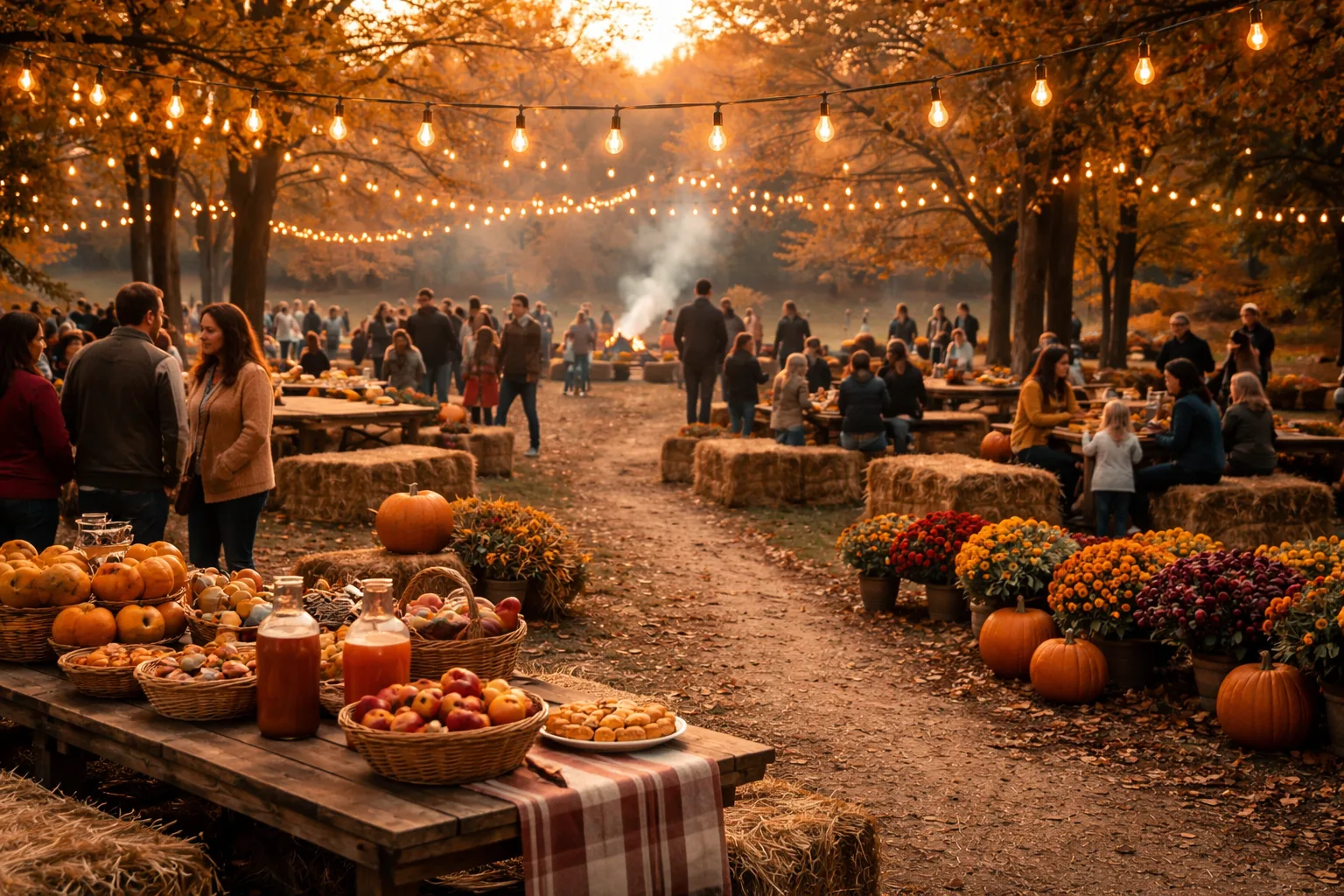
It's mid-October. You've spent weeks sourcing local vendors, booking a bluegrass band, arranging hay bales and pumpkin displays, and coordinating with the town park about permits. The festival is two weeks away — and you still have no idea how many people are coming.
Your inbox is a graveyard of unanswered emails. Your Google Sheet has 47 rows of half-filled names, question marks, and a mysterious column someone labeled 'maybe?' You've texted your co-organizer three times today asking if she's heard back from the Hendersons. She hasn't. Nobody has.
This is the real pain of community event planning — not the logistics of the event itself, but the chaos of figuring out who is actually showing up. Without a reliable headcount, you can't order enough cider donuts, you can't tell the caterer how many pulled pork sandwiches to prep, and you definitely can't plan seating for the pie-eating contest.
The good news? A fall harvest festival is one of the most joyful community events you can organize — and with the right approach, collecting RSVPs doesn't have to feel like herding cats through a corn maze. Here's exactly how to plan it all, from concept to cleanup, with your sanity intact.
Step 1: Define the Festival's Scope and Audience Before Anything Else
Before you book a single pumpkin vendor or design one flyer, you need to answer three questions: Who is this for? How big will it be? What's the core experience?
A neighborhood harvest festival for 80 families is a completely different animal than a town-wide event expecting 500+ attendees. Get specific early.
- Audience: Is this family-focused with kids' activities, or a community mixer for all ages with a beer garden and live music?
- Scale: Are you using a local park, a community center lawn, or a farm venue?
- Core experience: Pick 2–3 anchor activities — think a pumpkin patch, a chili cook-off, a craft fair, or a hayride — and build everything else around them.
Mini-scenario: Sarah, a neighborhood association president in Vermont, made the mistake of trying to please everyone her first year — bounce houses for kids, wine tasting for adults, a 5K run, and a craft fair all in one afternoon. The result was a scattered, underfunded mess. Year two, she narrowed it to a pumpkin decorating contest, a local food vendor row, and a bonfire at dusk. Attendance doubled because the event had a clear identity people could get excited about.
Step 2: Build Your Planning Timeline — Working Backwards from the Date
Fall harvest festivals typically happen in late September through early November. Work backwards from your target date with this framework:
- 8–10 weeks out: Lock in venue, date, and core vendors. Apply for any permits. Set your budget.
- 6–7 weeks out: Confirm entertainment, food vendors, and activity organizers. Launch your RSVP invitation.
- 4–5 weeks out: Send reminder invitations. Begin tracking RSVPs and adjust vendor orders based on early headcount.
- 2–3 weeks out: Close RSVPs. Finalize catering numbers, seating, and supply orders.
- 1 week out: Send a 'We can't wait to see you!' confirmation message to all guests with event-day details.
- Day of: Use your confirmed guest list for check-in. No clipboard chaos.
The biggest mistake organizers make is launching RSVPs too late — usually two to three weeks before the event — when people's calendars are already full. Six to seven weeks gives families time to plan and gives you time to act on the data.
Step 3: Create an Invitation That Actually Gets Opened
A harvest festival invitation should feel as warm and inviting as the event itself. Cold, text-heavy emails get ignored. Here's what works:
- Lead with the atmosphere, not the logistics: 'Picture this: crisp autumn air, the smell of apple cider, and your neighbors gathered around a bonfire' beats 'You are cordially invited to the 3rd Annual Harvest Festival.'
- Use a visually rich design: Deep oranges, burgundy, and golden yellows signal fall instantly. A single hero image of a pumpkin-lined path or a glowing bonfire sets the mood before anyone reads a word.
- Make the RSVP button impossible to miss: One clear call-to-action. Not three links, not a 'reply to this email' instruction — one button that says 'RSVP Now.'
- Include the essentials: Date, time, location (with a map link), what to bring, and whether it's free or ticketed.
Platforms like RSVPlinks let you build beautiful, branded event invitations with a built-in RSVP form — so guests can confirm their attendance, add guest counts, and even answer custom questions (like 'Which chili will you be entering in the cook-off?') all in one place. No spreadsheet required on your end.
Step 4: Distribute Your Invitation Across Every Channel Your Community Uses
One email blast is not a distribution strategy. Community members live on different platforms — some check Facebook daily, others only read the neighborhood newsletter, and plenty of younger residents are on Instagram or Nextdoor. Hit all of them.
- Email: Your primary channel. Send to your full community list with a clear subject line like 'You're Invited: Maplewood Fall Harvest Festival 🍂 — RSVP Inside.'
- Facebook Event: Create a public event page and share your RSVP link in the description. Encourage neighbors to share it.
- Nextdoor: Post in your neighborhood group with a friendly, conversational tone. Nextdoor users respond well to personal, community-first messaging.
- Flyers: Old-fashioned but effective. Post at the library, coffee shop, community center, and school pickup areas. Include a QR code that links directly to your RSVP page.
- HOA or school newsletters: If your community has one, get your event in the next issue with a direct link.
Mini-scenario: Marcus, organizing a harvest festival for a 200-home subdivision in North Carolina, only sent one email and got 23 RSVPs in two weeks. He added a Nextdoor post and a flyer with a QR code at the neighborhood mailbox cluster — and hit 94 RSVPs in four more days. Channel diversity matters enormously.
Step 5: Collect RSVPs With a System That Does the Work for You
Here's where most community organizers lose hours of their lives: manually tracking who responded, following up with non-responders, updating headcounts in a spreadsheet, and trying to remember if the Nguyen family said 4 people or 5.
The solution is using a dedicated RSVP platform instead of email replies or paper sign-ups. A good RSVP system should:
- Automatically tally your headcount in real time
- Allow guests to specify the number of people in their party
- Send automated reminder emails to guests who haven't responded
- Let you export your guest list for check-in or catering purposes
- Optionally collect dietary restrictions, activity preferences, or potluck dish assignments
RSVPlinks was built specifically for this kind of event management. You set up your event once, share a single link, and watch your guest list populate automatically — with zero manual data entry. When you need to send a reminder or a day-of update, you can message all your confirmed guests in one click.
Step 6: Plan the Day-Of Experience Around Your Confirmed Headcount
Once your RSVPs are in, let the numbers drive your final decisions:
- Catering: Add a 10–15% buffer above your confirmed count for walk-ins and unexpected plus-ones.
- Seating and layout: Plan for clusters of 6–8 people at picnic tables, with open lawn space for kids and families who want to spread out.
- Activities: If your RSVP form asked about kids' ages, use that data to scale your children's activity stations appropriately.
- Volunteer staffing: A good rule of thumb is one volunteer per 25–30 guests for a casual outdoor festival.
- Parking: For events over 100 people, coordinate with your venue about overflow parking or a shuttle from a nearby lot.
Step 7: Send a Pre-Event Reminder That Builds Excitement
One week before the festival, send a warm, detail-packed reminder to everyone who RSVP'd. Include the weather forecast (if available), what to wear, parking instructions, the schedule of activities, and a teaser for something exciting — 'Our surprise pie-judging guest this year is going to blow your minds.' This reduces no-shows significantly and builds genuine anticipation.
Your Fall Festival Checklist: 3 Things to Do Today
Planning a community harvest festival doesn't have to be overwhelming. Here's where to start right now:
- Set your date and venue this week. Everything else — vendors, invitations, RSVPs — flows from these two decisions. Don't let perfect be the enemy of done. Book the park, confirm the date, and move forward.
- Create your RSVP invitation today. Head to RSVPlinks, build your event page with fall-themed design elements, and get your shareable link ready to go. The earlier you launch, the better your headcount data will be when you need it.
- Map out your distribution channels before you send anything. List every place your community gathers — online and offline — and schedule your invitation to go out on all of them within the same 48-hour window for maximum impact.
A fall harvest festival done right is one of those rare community events that people talk about for years. It brings neighbors together, celebrates the season, and creates the kind of shared memories that build real community bonds. The logistics don't have to be the hard part — with the right tools and a clear plan, you can spend less time chasing RSVPs and more time picking out the perfect flannel shirt for the occasion.