How to Plan a Fall Harvest Dinner Party for Your Church or Community Group
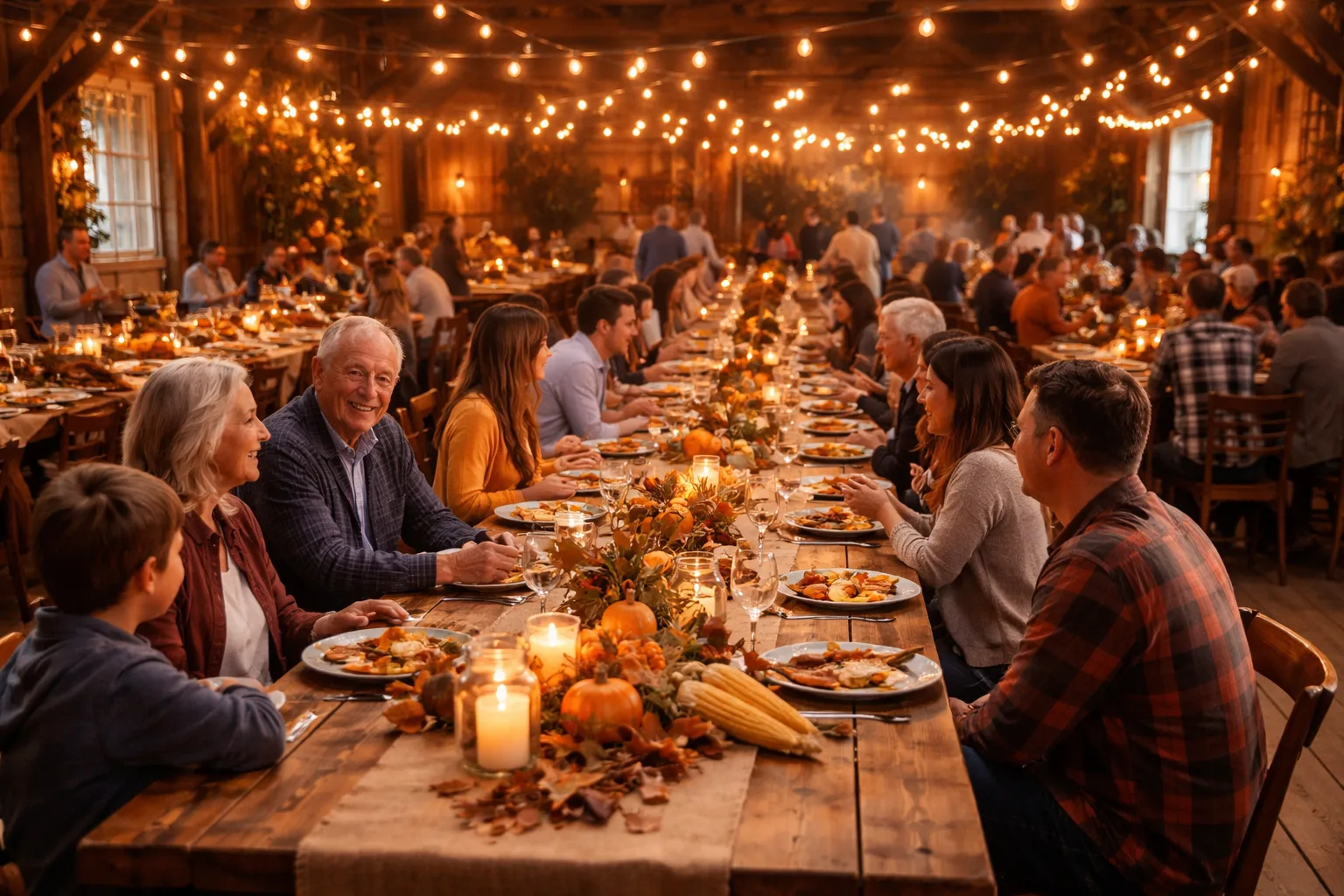
When 'How Many People Are Coming?' Becomes Your Biggest Headache
It's the third week of October. You've reserved the fellowship hall, ordered 15 pounds of pulled pork, and borrowed every folding table the church owns. Then Sunday morning arrives — and you realize you have absolutely no idea how many people actually plan to show up to your fall harvest dinner. The signup sheet on the bulletin board has 12 names. The Facebook event has 47 "Interested" clicks. Your pastor mentioned it from the pulpit and said "everyone's welcome." You're staring at a catering math problem with no numbers to work with.
If you've ever coordinated a fall harvest dinner party for a church congregation or community group, this scene is painfully familiar. The good news? With the right structure — and the right tools — you can turn this annual chaos into a genuinely joyful event that people talk about until next year.
Why Fall Harvest Dinners Deserve Serious Planning
A fall harvest dinner isn't just a potluck with pumpkins on the table. For many churches and community organizations, it's one of the most important social gatherings of the year — a chance to welcome new members, reconnect with families who've drifted away, and celebrate the season together. The stakes are real: too little food and people go home hungry and disappointed; too much and you've blown the budget on wasted pulled pork. Poor seating arrangements and a confusing arrival process can turn a warm event into a stressful one.
That's why treating this event with the same planning rigor you'd give a wedding reception — not just a casual cookout — pays off enormously.
Step 1: Set a Clear Date, Time, and Venue Early
Fall is a crowded calendar season. Football games, school events, Halloween, and other church programs compete for your congregation's weekends. Pick your date at least six weeks out and communicate it immediately. Saturday evenings between 5–8 PM tend to work well for multigenerational groups — early enough for families with young children, relaxed enough for older members.
For venue, your fellowship hall is the obvious choice, but don't overlook outdoor options. A parking lot with string lights and hay bales can transform into something magical. Just have a backup plan for rain.
Step 2: Build Your RSVP System Before Anything Else
This is where most community event organizers make their first — and most costly — mistake. They announce the event and assume people will "just show up." Then they're either scrambling to feed 80 unexpected guests or staring at 30 empty chairs after preparing for 60.
Set up a dedicated RSVP system before you send out any invitations. A tool like RSVPlinks lets you create a free, shareable RSVP link in minutes — no app download required for guests, no spreadsheet juggling for you. You get a real-time guest count, can collect dietary restrictions, and can send automatic reminders to people who haven't responded yet.
Set a firm RSVP deadline — ideally 10 days before the event. Communicate it clearly: "Please RSVP by October 18th so we can plan food for everyone." When people know there's a deadline, they take it seriously.
Want to see what a polished community dinner RSVP page looks like? Browse the church event RSVP examples for inspiration before you build yours.
Step 3: Design a Menu That Works for a Crowd
Fall harvest menus should feel warm, abundant, and seasonal — but they also need to be practical for large-group cooking and serving. Here's a framework that works well:
- Protein anchor: Slow-cooked pulled pork, roasted turkey breast, or a hearty vegetarian chili (offer at least one meat-free option)
- Harvest sides: Roasted root vegetables, cornbread, green bean casserole, mashed sweet potatoes, apple cranberry slaw
- Dessert table: Apple pie, pumpkin bars, pecan brownies — ask members to contribute these via a potluck signup
- Drinks station: Hot apple cider, coffee, water — skip alcohol for mixed-congregation events unless your group culture supports it
If you're doing a potluck-style contribution model, assign categories by last name or family unit. "A–G brings a side dish, H–P brings a dessert, Q–Z brings drinks or bread" eliminates the classic potluck problem of 14 pasta salads and zero protein.
Step 4: Create an Atmosphere That Feels Like Fall
Decor doesn't need to be expensive — it needs to be intentional. A few high-impact touches:
- Line tables with burlap runners and scatter mini pumpkins, gourds, and dried corn husks down the center
- Use mason jars with tea lights as centerpieces — inexpensive and warm
- String Edison bulb lights or warm white string lights across the ceiling or along walls
- Create a simple "gratitude wall" — a chalkboard or kraft paper where guests can write what they're thankful for this season
- Play a soft acoustic playlist in the background (search "fall harvest dinner" on Spotify — several curated playlists exist)
Consider a photo corner with a hay bale, a plaid blanket, and a small pumpkin patch setup. It gives guests something fun to do and generates organic social sharing that promotes your community to others.
Step 5: Recruit and Brief Your Volunteer Team
A dinner for 60–150 people is not a one-person job. You need clearly defined roles:
- Setup crew: Arrives 2 hours early, handles tables, chairs, decor, and the serving line layout
- Kitchen team: Manages food prep, warming, and replenishment during the event
- Welcome team: Greets guests at the door, checks them in, helps elderly or families with young children find seats
- Cleanup crew: Commits to staying after — this is the role nobody wants, so recruit specifically and thank them publicly
Hold a brief 15-minute volunteer huddle the day before the event. Walk through the timeline, assign specific tasks, and share a contact list. A WhatsApp or group text thread keeps everyone coordinated on event day.
Step 6: Plan the Program — Not Just the Meal
The meal is the anchor, but the program gives the evening meaning. For a church or community group, consider:
- A short welcome and blessing before the meal (3–5 minutes)
- A "harvest story" segment — invite 2–3 members to share a brief personal reflection on gratitude or community (2 minutes each)
- A simple group activity: a trivia game about fall traditions, a community scavenger hunt, or a "guess the number of candy corn" jar contest
- A closing announcement about upcoming events and a genuine thank-you to volunteers
Keep the structured program to 20–30 minutes total. People came to eat, talk, and connect — don't over-program the evening.
Step 7: Follow Up After the Event
The event ends, but your community-building doesn't have to. Within 48 hours:
- Send a thank-you message to everyone who attended (your RSVP list makes this easy)
- Share a few photos from the evening on your group's social media or newsletter
- Ask for one piece of feedback: "What was your favorite part?" — this helps you improve next year and makes attendees feel heard
Frequently Asked Questions
How do I collect RSVPs for a church dinner without a signup sheet?
The easiest way is to create a free digital RSVP link using a platform like RSVPlinks and share it via your church bulletin, email newsletter, and social media. Guests click the link, enter their name and headcount, and you see responses in real time — no paper, no spreadsheet, no chasing people down after Sunday service. You can also create a free RSVP link in under five minutes and start collecting responses the same day.
How far in advance should I plan a fall harvest dinner for a large group?
For a group of 50 or more, start planning at least six weeks before the event date. This gives you time to secure the venue, recruit volunteers, finalize the menu, and get RSVPs back with enough lead time to order or prepare food accurately. Sending invitations four to five weeks out with an RSVP deadline two weeks before the event is a reliable timeline.
What's a good potluck system for a community dinner so you don't end up with too much of one dish?
Assign dish categories based on last name, family unit, or table number rather than leaving it open-ended. For example, assign families A–G to bring a hot side dish, H–P to bring a dessert, and Q–Z to bring drinks or bread. This simple structure almost always produces a balanced spread and prevents the classic "17 macaroni salads" problem.
How do I handle dietary restrictions at a large community dinner?
Collect dietary information during the RSVP process — ask a simple question like "Do you have any dietary restrictions we should know about?" When you label your dishes clearly at the serving table (vegetarian, gluten-free, contains nuts), guests can navigate the food independently and confidently. Always include at least one hearty meat-free main dish option. Check out the RSVPlinks FAQ to learn how to add custom questions to your RSVP form.
What's the best way to decorate for a fall harvest dinner on a tight budget?
Focus on three high-impact, low-cost elements: warm lighting (string lights or tea light candles), natural seasonal items (mini pumpkins, gourds, dried corn, and fall leaves — often free from members' yards), and simple table runners in burlap or plaid fabric. Dollar stores and craft stores typically stock all of these in September and October at minimal cost. A cohesive color palette of burnt orange, deep red, and warm gold ties everything together without requiring expensive florals or rentals.