Día de los Muertos Community Celebration Tips
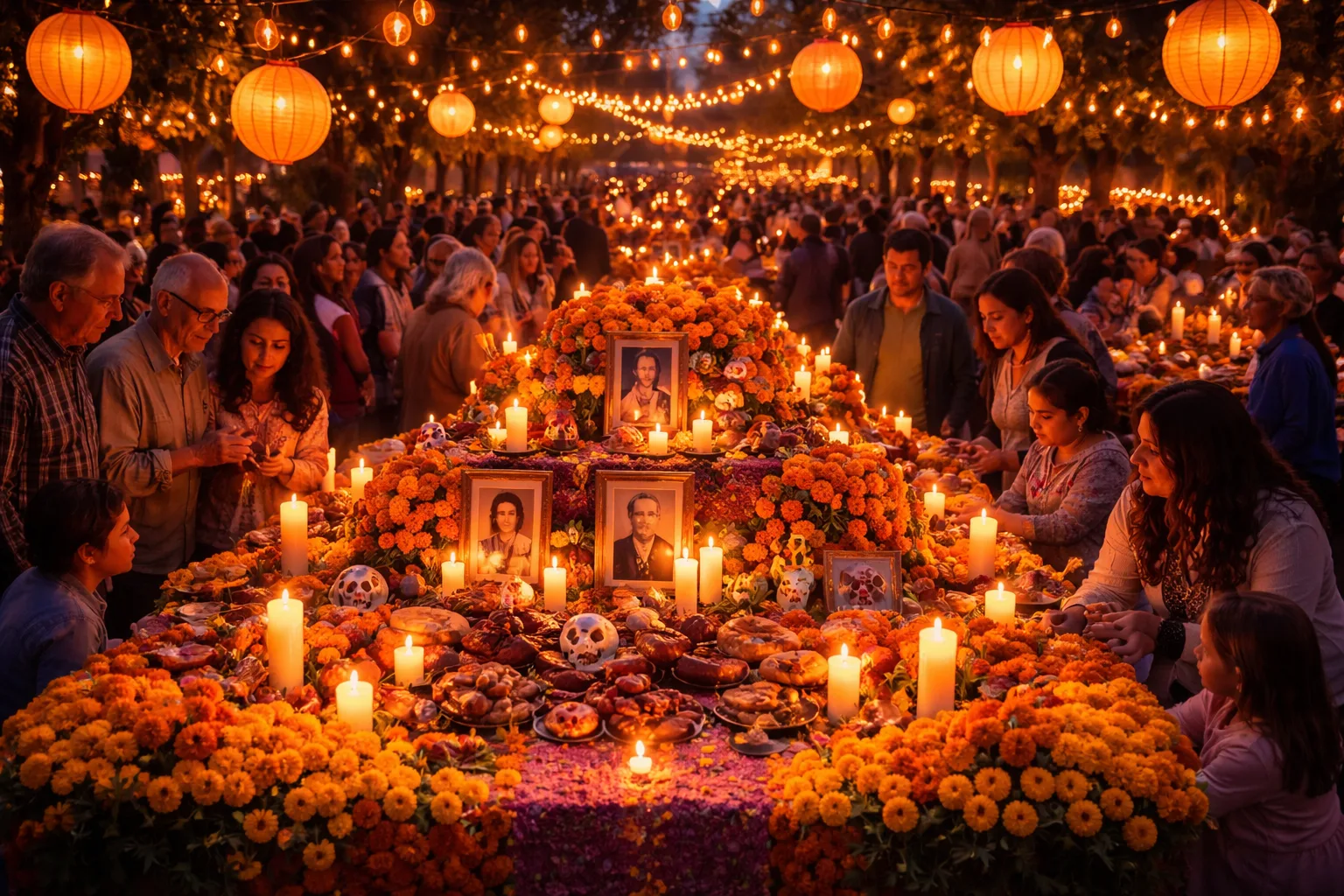
When the Marigold Petals Land Everywhere But Your Guest List Does Not
You have spent weeks sourcing real cempasúchil marigolds, convincing three abuelas to bring their legendary tamales, and hand-painting a community ofrenda backdrop worthy of a museum. Then, four days before your Día de los Muertos celebration, you still have no idea whether 40 people are coming or 140. Your inbox is a graveyard of unanswered texts, and your WhatsApp group has devolved into meme chaos. Sound familiar?
Planning a Día de los Muertos community celebration is one of the most meaningful things a neighborhood, school, cultural center, or family network can do together — but the logistics can quietly unravel even the most heartfelt event. Guest count uncertainty is the silent killer of community gatherings. It affects food quantities, altar space, candle orders, parking arrangements, and whether you need one folding table or twelve. Getting your RSVPs organized before the marigolds wilt is not optional; it is the foundation everything else rests on.
Here is how to plan a Día de los Muertos community event that honors your loved ones beautifully — without the organizational chaos.
Step 1: Define the Scope Before You Send a Single Invitation
Before you invite anyone, answer these three questions in writing: How many people can your venue realistically hold? What is your food and supply budget per person? And is this a drop-in gathering or a ticketed, timed event?
Mini-scenario: Rosa is organizing a Día de los Muertos celebration at her neighborhood community center in Phoenix. She assumes it will be casual — people will just show up. By October 28th, she has no idea if she needs 50 sugar cookie kits for kids or 200. She over-orders by $300 and runs out of altar space anyway because she did not account for the 30 families who each wanted to display a framed photo.
Avoid Rosa's situation by deciding upfront: Will guests register per family unit or per individual? Will you have a dedicated altar contribution area where families bring photos and mementos, and if so, how much table space does each family need? Answering these questions shapes your entire invitation strategy.
Step 2: Build a Dedicated Online RSVP Page for Your Event
A Día de los Muertos celebration involves layers of coordination that a simple Facebook event or group text cannot handle. You need to know not just who is coming, but how many people are in each party, whether they are bringing altar items, whether they have dietary needs for the communal meal, and whether they need accessibility accommodations.
This is where a purpose-built RSVP tool earns its keep. With RSVPlinks, you can create a free RSVP link for your celebration in minutes — no app downloads required for your guests. Share the link via text, WhatsApp, email, neighborhood Facebook groups, or printed QR codes on flyers posted at local taquerías and churches. Guests click, fill in their details, and you instantly see your headcount grow in real time.
For inspiration on how other organizers have structured their event pages, browse the community celebration RSVP examples to see clean, welcoming layouts that translate beautifully to cultural events of all kinds.
Key fields to include in your RSVP form:
- Number of adults and children attending
- Will your family bring an ofrenda item or framed photo? (Yes / No / Maybe)
- Potluck dish contribution (if applicable) — select from a dropdown
- Dietary restrictions or allergies
- Accessibility needs
- A short optional field: "Who are you honoring this year?" — this doubles as a beautiful community memory-gathering tool
Step 3: Set a Clear RSVP Deadline — and Communicate It Twice
Community events are notorious for last-minute RSVPs, especially in close-knit cultural communities where showing up unannounced is a sign of love, not rudeness. You need to work with that reality while still getting the numbers you need.
Set your RSVP deadline at least 5–7 days before the event. Then communicate it at two distinct moments: once when you first share the invitation, and once as a reminder 48 hours before the deadline closes. Frame the reminder warmly — something like: "We want to make sure we have enough marigolds, food, and altar space for every family. Please RSVP by Sunday so we can honor everyone properly."
Mini-scenario: Marco runs a cultural nonprofit in Chicago. He sets his RSVP deadline for October 29th for a November 1st event. He sends a WhatsApp reminder on October 27th with the RSVP link. His confirmed headcount jumps from 34 to 89 in 36 hours. He adjusts his tamale order and rents two additional folding tables — crisis averted.
Step 4: Coordinate the Ofrenda and Communal Elements With Your RSVP Data
The ofrenda — the altar of offerings — is the spiritual heart of Día de los Muertos. In a community setting, it becomes a shared, multi-family installation. This requires coordination that most organizers handle through frantic last-minute texts. Your RSVP data can do that work for you.
Once RSVPs close, export or review your responses and create a simple spreadsheet with three columns: Family name, Ofrenda contribution (yes/no/what), and Potluck dish. Share this with your volunteer team so everyone knows what is arriving and what gaps need to be filled.
Designate a volunteer as the "ofrenda coordinator" who greets arriving families, helps them place photos and mementos, and ensures the altar does not become overcrowded or disorganized. Brief this person using your RSVP data so they know which families to expect and roughly how many items to accommodate.
Step 5: Plan the Program Around Your Confirmed Attendance
A Día de los Muertos celebration typically includes several program elements: a candlelight procession or walk, a blessing or moment of silence, cultural performances (music, dance, spoken word), a communal meal, and children's activities like sugar skull decorating. Each of these scales differently based on attendance.
- Candlelight procession: Order one candle per confirmed adult guest plus a 15% buffer. Use your RSVP headcount, not your hope count.
- Children's activities: Count confirmed children from your RSVP form. Order craft kits accordingly — most suppliers require orders 5–7 days in advance.
- Communal meal: Use your potluck dish sign-ups from the RSVP form to identify gaps (too many desserts, not enough mains) and fill them with purchased items or volunteer assignments.
- Seating: Plan for 80% of your confirmed RSVPs to arrive (some will cancel last-minute) plus a 10% walk-in buffer for community events.
Step 6: Create a Welcoming Digital Invitation That Reflects the Spirit of the Holiday
Your RSVP link is also your first impression. The invitation page should feel like the celebration itself — warm, colorful, and rooted in the holiday's meaning. Use imagery that references marigolds, sugar skulls, candles, or the ofrenda. Write your event description in both English and Spanish if your community is bilingual. Include a brief, sincere line about the purpose of the gathering: to remember, to celebrate, and to come together.
If you want to see how a polished community event RSVP page looks before you build your own, check out the community celebration examples gallery for layout ideas that work equally well for Día de los Muertos events.
Need help understanding how RSVPlinks works or what features are available? Visit the RSVPlinks FAQ page for quick answers.
Your 3 Action Steps for Today
You do not need to wait until October to start. Here is what to do right now:
- Lock your venue and date — even a tentative booking gives you the anchor point your invitation needs. Community spaces fill up fast in late October.
- Build your RSVP page today — it takes less than 10 minutes. Include the custom fields listed in Step 2 so you collect the data that actually matters. Create a free RSVP link and share it the moment your event details are confirmed.
- Assign a volunteer to own the RSVP list — this person monitors responses, sends the deadline reminder, and translates the data into your supply and logistics plan. One person with ownership beats five people with good intentions.
Frequently Asked Questions
How do I create an online RSVP for a Día de los Muertos community event?
You can create an online RSVP for a Día de los Muertos event by using a free tool like RSVPlinks, which lets you build a custom event page with your own fields, share a single link via text or social media, and track responses in real time. No app download is required for your guests. Set up your page at least three weeks before the event to give your community enough time to respond.
When should guests RSVP by for a community celebration?
Guests should RSVP at least 5–7 days before a community celebration so organizers have time to finalize food orders, seating, and supply quantities. For larger events with catered meals or craft kits, a 10-day deadline gives even more flexibility. Send a friendly reminder 48 hours before the deadline closes to capture late responders.
How do I manage an ofrenda for a large community Día de los Muertos event?
Managing a community ofrenda starts with collecting information during the RSVP process — ask families whether they plan to bring photos or mementos and roughly how many items. Designate a volunteer as ofrenda coordinator who uses that data to plan table space and guide families when they arrive. Establish a simple layout in advance: one section per family, clearly labeled, with enough surface area for photos, candles, and personal items.
How many people should I plan for if RSVPs are still coming in?
Plan your supplies for 80% of your confirmed RSVPs plus a 10–15% walk-in buffer for community events, where drop-ins are common. If your confirmed count is 100, prepare for roughly 90–95 seated guests and have supplies for up to 110. This formula prevents both over-ordering and running out of essentials like candles or food.
Is Día de los Muertos appropriate for a school or workplace community event?
Yes — Día de los Muertos is a rich cultural tradition that translates well to school and workplace settings when approached with respect and educational context. Focus on the holiday's themes of memory, family, and celebration rather than Halloween aesthetics. Provide brief written context about the holiday's origins for attendees who may be unfamiliar, and invite participants to honor someone meaningful to them through the ofrenda.